What is a Catch Can?
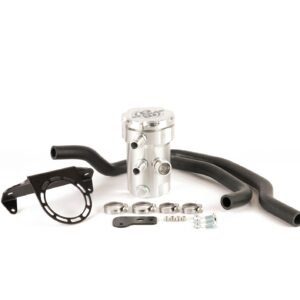
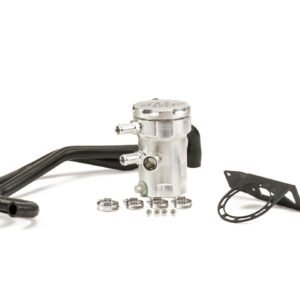
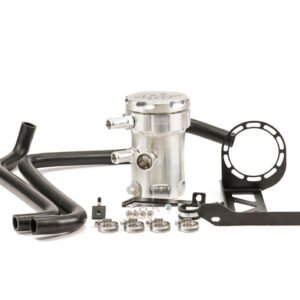
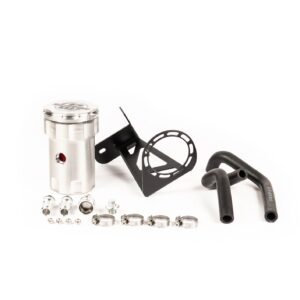
A catch can is an essential component for diesel engines, designed to capture oil mist and contaminants from the crankcase ventilation system. By filtering these substances, a catch can helps maintain engine cleanliness and improves overall performance.
Typically installed between the engine's crankcase and the intake manifold, catch cans prevent harmful oil vapors from entering the combustion chamber. This not only enhances engine efficiency but also reduces carbon buildup, leading to longer engine life and better fuel economy.
Benefits of Using a Catch Can
Utilizing a catch can provides several advantages for diesel engine owners, including improved engine performance and reduced maintenance costs. By capturing oil mist, a catch can ensures that cleaner air enters the intake, which can result in better combustion and increased horsepower.
Moreover, catch cans help prevent the accumulation of sludge and carbon deposits within the engine, which can lead to costly repairs. Regular use of a catch can can extend the intervals between oil changes and enhance the longevity of engine components, making it a worthwhile investment for any diesel enthusiast.
How to Choose the Right Catch Can
Selecting the appropriate catch can for your diesel engine involves considering several factors, including the engine type, capacity, and material. It's essential to choose a catch can that is compatible with your vehicle's specifications to ensure optimal performance and efficiency.
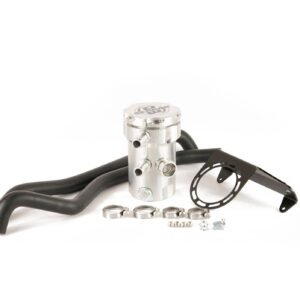
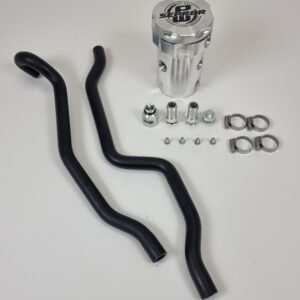
Look for features such as easy installation, high filtration efficiency, and durability. Brands like Process West offer a range of catch cans specifically designed for various diesel models, ensuring that you find the perfect fit for your needs.
Installation Tips for Catch Cans
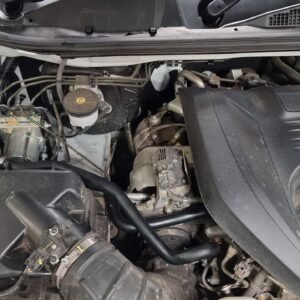
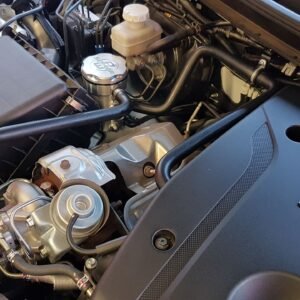
Installing a catch can is a straightforward process, but following specific guidelines can ensure optimal performance. Start by identifying the best location for the catch can, typically in the engine bay where it can easily connect to the crankcase ventilation system.
Be sure to use high-quality hoses and clamps to secure the connections, preventing leaks and ensuring proper function. Additionally, regularly check the catch can for oil levels and clean it as needed to maintain its efficiency and effectiveness.