Benefits of Upgrading Your Intercooler
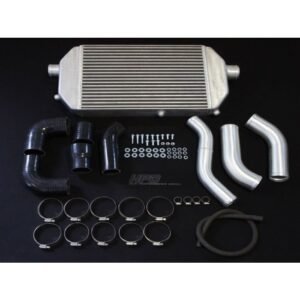
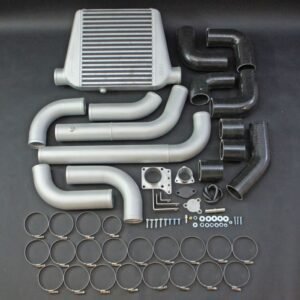
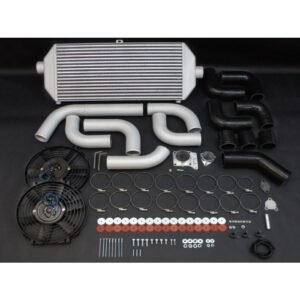
Upgrading your intercooler is essential for improving your vehicle's performance, particularly for diesel engines that require efficient cooling systems. A high-quality intercooler reduces intake temperatures, leading to denser air entering the engine, which enhances combustion efficiency and power output.
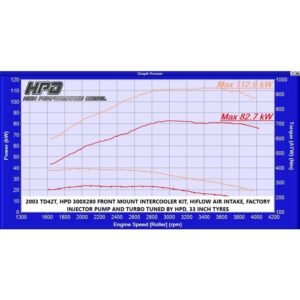
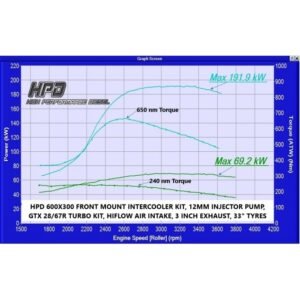
For instance, aftermarket intercoolers can provide significantly better cooling than stock units, often resulting in improved throttle response and increased horsepower. Many users report noticeable changes in their vehicle's acceleration and towing capabilities after installing a performance intercooler.
Choosing the Right Intercooler for Your Vehicle
Selecting the right intercooler involves considering factors such as your vehicle's make and model, engine size, and intended use. It's crucial to match the intercooler specifications with your engine's requirements to ensure optimal performance without compromising reliability.
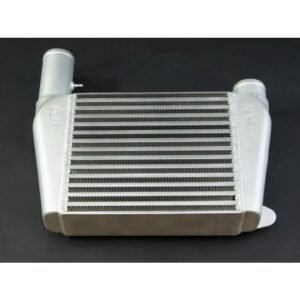
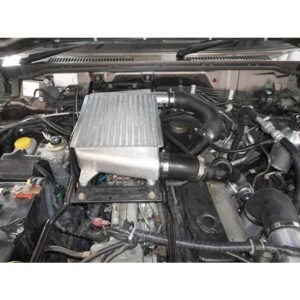
For example, if you own a Nissan Navara D22, you should look for intercoolers specifically designed for that model to guarantee a perfect fit and maximum efficiency. Additionally, consider the material and design of the intercooler, as these can significantly impact heat dissipation and airflow.
Installation Tips for Intercooler Kits
Proper installation of your intercooler kit is vital to ensure its effectiveness and longevity. It's recommended to follow the manufacturer's instructions carefully and use the appropriate tools to avoid damaging any components during the process.
For those who are not experienced in automotive work, seeking professional installation can save time and ensure that the intercooler is fitted correctly. Many performance shops offer installation services and can also provide advice on tuning your vehicle after the upgrade for optimal performance.
Maintenance of Intercooler Systems
Regular maintenance of your intercooler system is crucial for sustaining performance and preventing issues. This includes checking for leaks, ensuring that the intercooler is clean, and inspecting hoses and connections for wear and tear.
Routine maintenance can help identify potential problems before they escalate. For example, a clogged intercooler can lead to overheating and reduced performance, so cleaning the intercooler periodically can help maintain its efficiency and prolong its lifespan.
Benefits of Upgrading Your Intercooler
Upgrading your intercooler is essential for improving your vehicle's performance, particularly for diesel engines that require efficient cooling systems. A high-quality intercooler reduces intake temperatures, leading to denser air entering the engine, which enhances combustion efficiency and power output.
For instance, aftermarket intercoolers can provide significantly better cooling than stock units, often resulting in improved throttle response and increased horsepower. Many users report noticeable changes in their vehicle's acceleration and towing capabilities after installing a performance intercooler.
Choosing the Right Intercooler for Your Vehicle
Selecting the right intercooler involves considering factors such as your vehicle's make and model, engine size, and intended use. It's crucial to match the intercooler specifications with your engine's requirements to ensure optimal performance without compromising reliability.
For example, if you own a Nissan Navara D22, you should look for intercoolers specifically designed for that model to guarantee a perfect fit and maximum efficiency. Additionally, consider the material and design of the intercooler, as these can significantly impact heat dissipation and airflow.
Installation Tips for Intercooler Kits
Proper installation of your intercooler kit is vital to ensure its effectiveness and longevity. It's recommended to follow the manufacturer's instructions carefully and use the appropriate tools to avoid damaging any components during the process.
For those who are not experienced in automotive work, seeking professional installation can save time and ensure that the intercooler is fitted correctly. Many performance shops offer installation services and can also provide advice on tuning your vehicle after the upgrade for optimal performance.
Maintenance of Intercooler Systems
Regular maintenance of your intercooler system is crucial for sustaining performance and preventing issues. This includes checking for leaks, ensuring that the intercooler is clean, and inspecting hoses and connections for wear and tear.
Routine maintenance can help identify potential problems before they escalate. For example, a clogged intercooler can lead to overheating and reduced performance, so cleaning the intercooler periodically can help maintain its efficiency and prolong its lifespan.