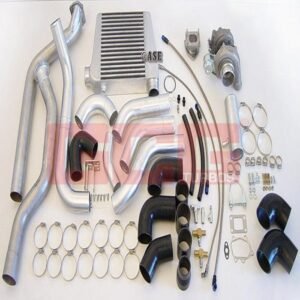
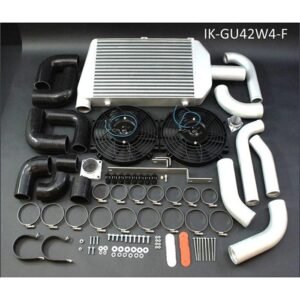
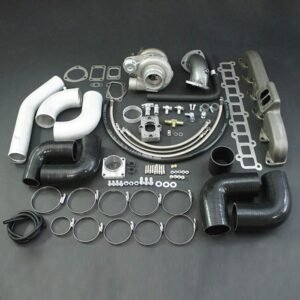
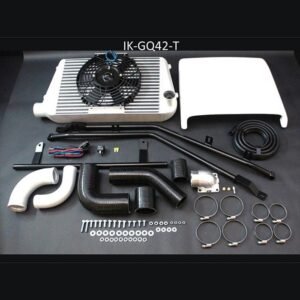
Benefits of Turbo Upgrades for Diesel Vehicles
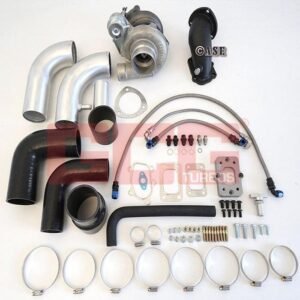
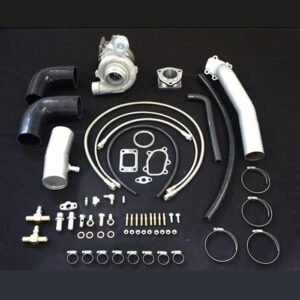
Upgrading to a turbocharger can significantly enhance the performance of diesel vehicles, providing increased horsepower and torque. This improvement enables better acceleration, making your vehicle more responsive on the road and capable of handling heavy loads with ease.
For instance, turbo upgrades can lead to improved fuel efficiency and lower emissions, making them an environmentally friendly choice. Many users report a noticeable difference in their vehicle's towing capacity and overall performance, especially in models like the Nissan Patrol and Toyota Landcruiser.
Choosing the Right Turbo Kit for Your Vehicle
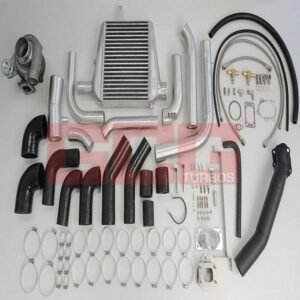
Selecting the appropriate turbo kit is crucial for maximizing performance and ensuring compatibility with your diesel vehicle. Factors such as engine size, intended use, and performance goals should guide your decision-making process when exploring options.
For example, if you primarily use your vehicle for towing, a kit designed for high torque would be essential, while a performance-focused kit may be better suited for racing applications. It's advisable to consult with experts or refer to user reviews to find the best match for your specific needs.
Installation Process for Turbo Kits
The installation of a turbo kit can be a complex process that requires mechanical expertise and the right tools. While some experienced DIY enthusiasts may choose to install the kit themselves, professional installation is often recommended to ensure optimal performance and reliability.
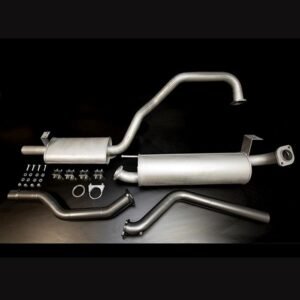
Installation typically involves removing the existing exhaust and intake components, fitting the new turbocharger, and making necessary adjustments to the vehicle's ECU. Following the manufacturer's guidelines and seeking professional help can prevent issues and enhance the longevity of your turbo system.
Maintenance Tips for Turbocharged Diesel Engines
Regular maintenance is essential for the longevity and performance of turbocharged diesel engines. This includes routine oil changes, checking for leaks, and ensuring that the intercooler and piping are free from obstructions.
Additionally, monitoring boost levels and listening for unusual noises can help detect potential issues early. By following a structured maintenance schedule and addressing any concerns promptly, you can enjoy the benefits of your turbo upgrade for years to come.
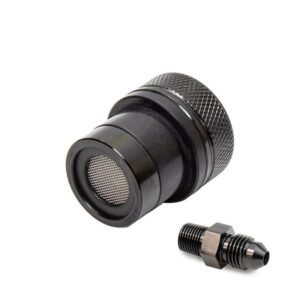 Snow Performance Windshield Washer Reservoir Bung w/ -4AN Nipple