Benefits of Upgrading Your Diesel Turbocharger
Upgrading your diesel turbocharger can significantly enhance your vehicle's performance, offering improved power output and efficiency. A new turbocharger can provide better airflow and reduce turbo lag, resulting in a more responsive driving experience.
For instance, many diesel enthusiasts report increased horsepower and torque after installing high-performance turbo kits. Additionally, modern turbochargers are designed to operate at higher pressures, which can lead to better fuel economy and lower emissions, making them a smart choice for both performance and environmental considerations.
Choosing the Right Turbocharger Kit for Your Vehicle
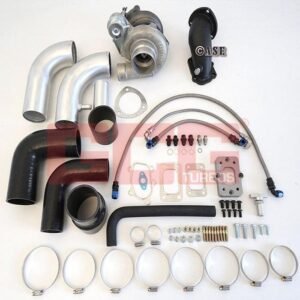
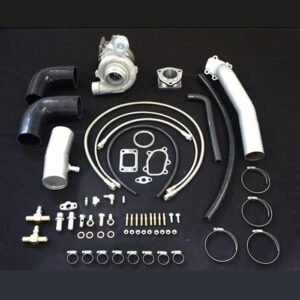
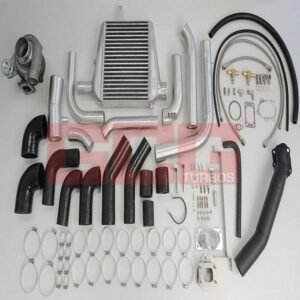
Selecting the appropriate turbocharger kit is crucial for achieving optimal performance. Factors such as engine size, intended use, and compatibility with existing components should be considered to ensure a seamless upgrade process.
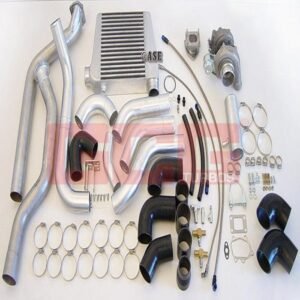
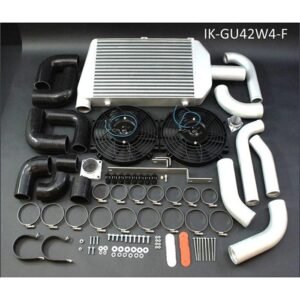
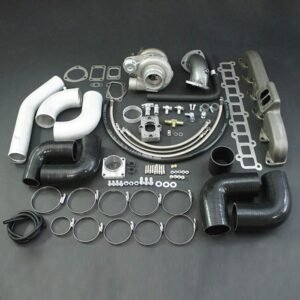
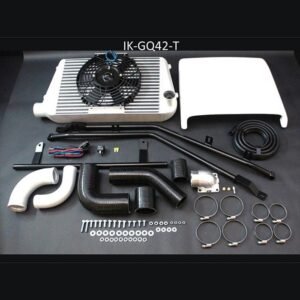
For example, a turbo kit designed for a Nissan Patrol GU TD42 will differ significantly from one intended for a Toyota Landcruiser. Understanding your vehicle's specifications and performance goals will help you make an informed decision and maximize the benefits of your upgrade.
Installation Tips for Diesel Turbo Kits
Proper installation of your diesel turbo kit is essential for maximizing efficiency and performance. It is recommended to follow manufacturer guidelines closely and consider professional installation if you are not experienced with engine modifications.
Common installation tips include ensuring all components are compatible, using high-quality gaskets, and checking for leaks after installation. Additionally, tuning your engine's ECU post-installation can further enhance performance and ensure the longevity of your turbocharger.
Maintaining Your Turbocharger for Longevity
Regular maintenance is key to extending the lifespan of your turbocharger. This includes routine checks on oil levels, inspecting for any signs of wear, and ensuring the cooling system is functioning properly to prevent overheating.
For instance, changing the engine oil regularly and using high-quality oil filters can help keep your turbocharger running smoothly. Additionally, monitoring boost pressure and listening for unusual noises can help identify issues early, preventing costly repairs down the line.
Benefits of Upgrading Your Diesel Turbocharger
Upgrading your diesel turbocharger can significantly enhance your vehicle's performance, offering improved power output and efficiency. A new turbocharger can provide better airflow and reduce turbo lag, resulting in a more responsive driving experience.
For instance, many diesel enthusiasts report increased horsepower and torque after installing high-performance turbo kits. Additionally, modern turbochargers are designed to operate at higher pressures, which can lead to better fuel economy and lower emissions, making them a smart choice for both performance and environmental considerations.
Choosing the Right Turbocharger Kit for Your Vehicle
Selecting the appropriate turbocharger kit is crucial for achieving optimal performance. Factors such as engine size, intended use, and compatibility with existing components should be considered to ensure a seamless upgrade process.
For example, a turbo kit designed for a Nissan Patrol GU TD42 will differ significantly from one intended for a Toyota Landcruiser. Understanding your vehicle's specifications and performance goals will help you make an informed decision and maximize the benefits of your upgrade.
Installation Tips for Diesel Turbo Kits
Proper installation of your diesel turbo kit is essential for maximizing efficiency and performance. It is recommended to follow manufacturer guidelines closely and consider professional installation if you are not experienced with engine modifications.
Common installation tips include ensuring all components are compatible, using high-quality gaskets, and checking for leaks after installation. Additionally, tuning your engine's ECU post-installation can further enhance performance and ensure the longevity of your turbocharger.
Maintaining Your Turbocharger for Longevity
Regular maintenance is key to extending the lifespan of your turbocharger. This includes routine checks on oil levels, inspecting for any signs of wear, and ensuring the cooling system is functioning properly to prevent overheating.
For instance, changing the engine oil regularly and using high-quality oil filters can help keep your turbocharger running smoothly. Additionally, monitoring boost pressure and listening for unusual noises can help identify issues early, preventing costly repairs down the line.