$1,485.00–$1,595.00Price range: $1,485.00 through $1,595.00
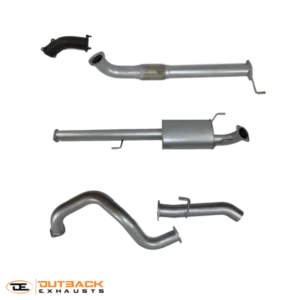
Australian-made 3" turbo-back Outback Exhaust system for Toyota LandCruiser 80 Series 4.2L 1HDT wagon (1990–1998). 409 stainless, mandrel-bent, bolt-on fit…
Select options
This product has multiple variants. The options may be chosen on the product page
$1,355.00–$1,465.00Price range: $1,355.00 through $1,465.00
Outback Exhausts’ 3″ stainless-steel turbo-back exhaust for 2007–2016 Toyota LandCruiser 79 Series (VDJ79) delivers improved flow, sound and durability —…
Select options
This product has multiple variants. The options may be chosen on the product page
$1,505.00–$1,615.00Price range: $1,505.00 through $1,615.00
Upgrade your 79 Series with this Australian-made 3-inch turbo-back exhaust system, engineered for improved flow, response and durability. Suitable for…
Select options
This product has multiple variants. The options may be chosen on the product page
Contains information related to marketing campaigns of the user. These are shared with Google AdWords / Google Ads when the Google Ads and Google Analytics accounts are linked together.
90 days
__utma
ID used to identify users and sessions
2 years after last activity
__utmt
Used to monitor number of Google Analytics server requests
10 minutes
__utmb
Used to distinguish new sessions and visits. This cookie is set when the GA.js javascript library is loaded and there is no existing __utmb cookie. The cookie is updated every time data is sent to the Google Analytics server.
30 minutes after last activity
__utmc
Used only with old Urchin versions of Google Analytics and not with GA.js. Was used to distinguish between new sessions and visits at the end of a session.
End of session (browser)
__utmz
Contains information about the traffic source or campaign that directed user to the website. The cookie is set when the GA.js javascript is loaded and updated when data is sent to the Google Anaytics server
6 months after last activity
__utmv
Contains custom information set by the web developer via the _setCustomVar method in Google Analytics. This cookie is updated every time new data is sent to the Google Analytics server.
2 years after last activity
__utmx
Used to determine whether a user is included in an A / B or Multivariate test.
18 months
_ga
ID used to identify users
2 years
_gali
Used by Google Analytics to determine which links on a page are being clicked
30 seconds
_ga_
ID used to identify users
2 years
_gid
ID used to identify users for 24 hours after last activity
24 hours
_gat
Used to monitor number of Google Analytics server requests when using Google Tag Manager
1 minute
SourceBuster is used by WooCommerce for order attribution based on user source.
Name
Description
Duration
sbjs_first_add
Timestamp, referring URL, and entry page for your visitor’s first visit to your store (only applicable if the visitor returns before the session expires)
session
sbjs_current_add
Timestamp, referring URL, and entry page for your visitor’s current visit to your store
session
sbjs_migrations
Technical data to help with migrations between different versions of the tracking feature
session
sbjs_session
The number of page views in this session and the current page path
30 minutes
sbjs_udata
Information about the visitor’s user agent, such as IP, the browser, and the device type
session
sbjs_first
Traffic origin information for the visitor’s first visit to your store (only applicable if the visitor returns before the session expires)
session
sbjs_current
Traffic origin information for the visitor’s current visit to your store
session
Marketing cookies are used to follow visitors to websites. The intention is to show ads that are relevant and engaging to the individual user.
Facebook Pixel is a web analytics service that tracks and reports website traffic.
Upgrading to a 3-inch exhaust system can significantly enhance your vehicle's performance by improving exhaust flow and reducing back pressure. This upgrade allows for better engine efficiency, leading to increased horsepower and torque, which is especially beneficial for diesel engines that thrive on improved airflow.
For instance, many Toyota Prado owners have reported noticeable improvements in throttle response and overall driving experience after installing a 3-inch exhaust. Additionally, these systems often produce a deeper, more aggressive sound, which many enthusiasts find appealing. Investing in a high-quality exhaust system can also lead to better fuel efficiency, making it a smart choice for both performance and economy.
Installation Process for 3-inch Exhaust Systems
The installation of a 3-inch exhaust system typically requires some mechanical expertise, but it can be a rewarding DIY project for those willing to take it on. Most systems come with comprehensive instructions, and the process generally involves removing the stock exhaust, fitting the new system, and securing it in place with the provided hardware.
It's important to have the right tools on hand, such as a jack, wrenches, and possibly a saw for cutting the old exhaust. For those less comfortable with DIY installations, professional installation services are widely available, ensuring that your new exhaust is fitted correctly for optimal performance and longevity.
Comparing Exhaust Options for Toyota Prado Models
When considering exhaust systems for Toyota Prado models, it's crucial to compare the various options available. Each model may have specific requirements based on its engine type and year, so understanding these differences can help in making an informed decision.
For example, the 3-inch turbo-back exhaust system is designed for models from 2009 to 2015, while different configurations are available for earlier and later models. Evaluating factors such as material quality, sound output, and performance gains will allow buyers to choose the best exhaust system that meets their needs and enhances their vehicle's capabilities.
Maintenance Tips for Your Exhaust System
Maintaining your 3-inch exhaust system is essential for ensuring its longevity and performance. Regular checks for leaks, rust, and damage can help identify issues early and prevent costly repairs. It's also advisable to clean the system periodically to remove any buildup of soot or debris that may affect exhaust flow.
Additionally, inspecting the mounting hardware and connections can prevent vibrations and rattling, which may lead to premature wear. For those who frequently drive in rugged conditions, such as off-roading, more frequent inspections may be necessary to ensure that the exhaust system remains in optimal condition.
Benefits of Upgrading to a 3-inch Exhaust System
Upgrading to a 3-inch exhaust system can significantly enhance your vehicle's performance by improving exhaust flow and reducing back pressure. This upgrade allows for better engine efficiency, leading to increased horsepower and torque, which is especially beneficial for diesel engines that thrive on improved airflow.
For instance, many Toyota Prado owners have reported noticeable improvements in throttle response and overall driving experience after installing a 3-inch exhaust. Additionally, these systems often produce a deeper, more aggressive sound, which many enthusiasts find appealing. Investing in a high-quality exhaust system can also lead to better fuel efficiency, making it a smart choice for both performance and economy.
Installation Process for 3-inch Exhaust Systems
The installation of a 3-inch exhaust system typically requires some mechanical expertise, but it can be a rewarding DIY project for those willing to take it on. Most systems come with comprehensive instructions, and the process generally involves removing the stock exhaust, fitting the new system, and securing it in place with the provided hardware.
It's important to have the right tools on hand, such as a jack, wrenches, and possibly a saw for cutting the old exhaust. For those less comfortable with DIY installations, professional installation services are widely available, ensuring that your new exhaust is fitted correctly for optimal performance and longevity.
Comparing Exhaust Options for Toyota Prado Models
When considering exhaust systems for Toyota Prado models, it's crucial to compare the various options available. Each model may have specific requirements based on its engine type and year, so understanding these differences can help in making an informed decision.
For example, the 3-inch turbo-back exhaust system is designed for models from 2009 to 2015, while different configurations are available for earlier and later models. Evaluating factors such as material quality, sound output, and performance gains will allow buyers to choose the best exhaust system that meets their needs and enhances their vehicle's capabilities.
Maintenance Tips for Your Exhaust System
Maintaining your 3-inch exhaust system is essential for ensuring its longevity and performance. Regular checks for leaks, rust, and damage can help identify issues early and prevent costly repairs. It's also advisable to clean the system periodically to remove any buildup of soot or debris that may affect exhaust flow.
Additionally, inspecting the mounting hardware and connections can prevent vibrations and rattling, which may lead to premature wear. For those who frequently drive in rugged conditions, such as off-roading, more frequent inspections may be necessary to ensure that the exhaust system remains in optimal condition.