Shopping Cart (0)
Close


We use cookies to improve your experience on our site. By using our site, you consent to cookies.
Manage your cookie preferences below:
Essential cookies enable basic functions and are necessary for the proper function of the website.
These cookies are used for managing login functionality on this website.
Statistics cookies collect information anonymously. This information helps us understand how visitors use our website.
Google Analytics is a powerful tool that tracks and analyzes website traffic for informed marketing decisions.
Service URL: policies.google.com (opens in a new window)
SourceBuster is used by WooCommerce for order attribution based on user source.
Marketing cookies are used to follow visitors to websites. The intention is to show ads that are relevant and engaging to the individual user.
Facebook Pixel is a web analytics service that tracks and reports website traffic.
Service URL: www.facebook.com (opens in a new window)
You can find more information in our Cookie Policy and Privacy Policy.
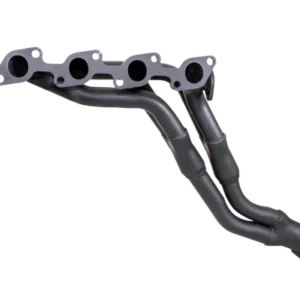
Upgrading to a 63.5mm exhaust system can significantly enhance the performance of your diesel vehicle. This upgrade allows for improved exhaust flow, which can lead to increased horsepower and torque, making your vehicle more responsive and efficient.
For instance, many users report noticeable improvements in acceleration and engine sound after installing a 63.5mm exhaust system. Additionally, enhanced exhaust flow can contribute to better fuel efficiency, providing long-term savings on fuel costs while reducing emissions.
When considering a 63.5mm exhaust system, it's essential to ensure compatibility with your specific vehicle model. Many systems are designed to fit popular diesel models, such as the Toyota Hilux, Ford Ranger, and Nissan Navara, providing a tailored performance boost.
For example, the 2.5” Outback Exhaust System is specifically engineered to suit the Toyota Hilux LN167, ensuring optimal fitment and performance. It's crucial to check compatibility details before purchasing to avoid any installation issues and to maximize the benefits of your exhaust upgrade.
The installation of a 63.5mm exhaust system can be straightforward for those with mechanical skills, but it's recommended to consult a professional for the best results. Proper installation is key to ensuring that the system performs as intended and does not cause any damage to your vehicle.
Typically, the installation involves removing the factory exhaust system, fitting the new exhaust components, and securing them in place. Many suppliers provide detailed installation guides or videos to assist DIY enthusiasts, while professional installers can ensure that everything is aligned correctly for optimal performance.
Regular maintenance of your diesel exhaust system is crucial to ensure longevity and performance. Simple checks, such as inspecting for leaks or rust, can prevent significant issues down the line and keep your exhaust system functioning efficiently.
Additionally, cleaning the exhaust tips and ensuring that all connections are tight can help maintain optimal exhaust flow. It's also advisable to have your exhaust system inspected during routine vehicle servicing to catch any potential problems early and maintain peak performance.
Upgrading to a 63.5mm exhaust system can significantly enhance the performance of your diesel vehicle. This upgrade allows for improved exhaust flow, which can lead to increased horsepower and torque, making your vehicle more responsive and efficient.
For instance, many users report noticeable improvements in acceleration and engine sound after installing a 63.5mm exhaust system. Additionally, enhanced exhaust flow can contribute to better fuel efficiency, providing long-term savings on fuel costs while reducing emissions.
When considering a 63.5mm exhaust system, it's essential to ensure compatibility with your specific vehicle model. Many systems are designed to fit popular diesel models, such as the Toyota Hilux, Ford Ranger, and Nissan Navara, providing a tailored performance boost.
For example, the 2.5” Outback Exhaust System is specifically engineered to suit the Toyota Hilux LN167, ensuring optimal fitment and performance. It's crucial to check compatibility details before purchasing to avoid any installation issues and to maximize the benefits of your exhaust upgrade.
The installation of a 63.5mm exhaust system can be straightforward for those with mechanical skills, but it's recommended to consult a professional for the best results. Proper installation is key to ensuring that the system performs as intended and does not cause any damage to your vehicle.
Typically, the installation involves removing the factory exhaust system, fitting the new exhaust components, and securing them in place. Many suppliers provide detailed installation guides or videos to assist DIY enthusiasts, while professional installers can ensure that everything is aligned correctly for optimal performance.
Regular maintenance of your diesel exhaust system is crucial to ensure longevity and performance. Simple checks, such as inspecting for leaks or rust, can prevent significant issues down the line and keep your exhaust system functioning efficiently.
Additionally, cleaning the exhaust tips and ensuring that all connections are tight can help maintain optimal exhaust flow. It's also advisable to have your exhaust system inspected during routine vehicle servicing to catch any potential problems early and maintain peak performance.