Contains information related to marketing campaigns of the user. These are shared with Google AdWords / Google Ads when the Google Ads and Google Analytics accounts are linked together.
90 days
__utma
ID used to identify users and sessions
2 years after last activity
__utmt
Used to monitor number of Google Analytics server requests
10 minutes
__utmb
Used to distinguish new sessions and visits. This cookie is set when the GA.js javascript library is loaded and there is no existing __utmb cookie. The cookie is updated every time data is sent to the Google Analytics server.
30 minutes after last activity
__utmc
Used only with old Urchin versions of Google Analytics and not with GA.js. Was used to distinguish between new sessions and visits at the end of a session.
End of session (browser)
__utmz
Contains information about the traffic source or campaign that directed user to the website. The cookie is set when the GA.js javascript is loaded and updated when data is sent to the Google Anaytics server
6 months after last activity
__utmv
Contains custom information set by the web developer via the _setCustomVar method in Google Analytics. This cookie is updated every time new data is sent to the Google Analytics server.
2 years after last activity
__utmx
Used to determine whether a user is included in an A / B or Multivariate test.
18 months
_ga
ID used to identify users
2 years
_gali
Used by Google Analytics to determine which links on a page are being clicked
30 seconds
_ga_
ID used to identify users
2 years
_gid
ID used to identify users for 24 hours after last activity
24 hours
_gat
Used to monitor number of Google Analytics server requests when using Google Tag Manager
1 minute
SourceBuster is used by WooCommerce for order attribution based on user source.
Name
Description
Duration
sbjs_first_add
Timestamp, referring URL, and entry page for your visitor’s first visit to your store (only applicable if the visitor returns before the session expires)
session
sbjs_current_add
Timestamp, referring URL, and entry page for your visitor’s current visit to your store
session
sbjs_migrations
Technical data to help with migrations between different versions of the tracking feature
session
sbjs_session
The number of page views in this session and the current page path
30 minutes
sbjs_udata
Information about the visitor’s user agent, such as IP, the browser, and the device type
session
sbjs_first
Traffic origin information for the visitor’s first visit to your store (only applicable if the visitor returns before the session expires)
session
sbjs_current
Traffic origin information for the visitor’s current visit to your store
session
Marketing cookies are used to follow visitors to websites. The intention is to show ads that are relevant and engaging to the individual user.
Facebook Pixel is a web analytics service that tracks and reports website traffic.
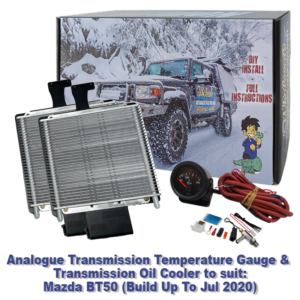
Upgrading your transmission cooler can significantly enhance the performance and lifespan of your vehicle's transmission system. A high-quality cooler helps maintain optimal operating temperatures, preventing overheating and reducing wear and tear on internal components.
For instance, heavy-duty transmission oil coolers can lower fluid temperatures by up to 30 degrees Fahrenheit, which translates to improved shifting performance and extended fluid life. This is especially beneficial for vehicles subjected to heavy towing or off-road conditions.
Choosing the Right Transmission Cooler Kit
Selecting the right transmission cooler kit is crucial for ensuring compatibility and optimal performance. Factors to consider include the vehicle model, transmission type, and intended use, such as towing or racing.
For example, a heavy-duty cooler designed for a Ford Ranger Raptor will differ from one suited for a Toyota FJ Cruiser. It's important to check specifications and installation requirements to ensure a seamless fit and maximum efficiency.
Installation Tips for Transmission Cooler Kits
Proper installation of transmission cooler kits is essential for achieving the best performance. Following manufacturer guidelines and using the right tools can help ensure a successful installation process.
It's advisable to consult a professional mechanic if you're unsure about the installation process. Additionally, regular maintenance checks after installation can help identify any potential issues early on, ensuring your transmission cooler operates effectively over time.
Common Issues with Transmission Coolers
Understanding common issues with transmission coolers can help you take proactive measures to maintain your vehicle. Problems such as leaks or blockages can severely impact transmission performance and lead to costly repairs.
For instance, a leak in the cooler can cause fluid loss, leading to overheating and potential transmission failure. Regular inspections and maintenance can help detect these issues early, ensuring your transmission cooler continues to function optimally.
Benefits of Upgrading Your Transmission Cooler
Upgrading your transmission cooler can significantly enhance the performance and lifespan of your vehicle's transmission system. A high-quality cooler helps maintain optimal operating temperatures, preventing overheating and reducing wear and tear on internal components.
For instance, heavy-duty transmission oil coolers can lower fluid temperatures by up to 30 degrees Fahrenheit, which translates to improved shifting performance and extended fluid life. This is especially beneficial for vehicles subjected to heavy towing or off-road conditions.
Choosing the Right Transmission Cooler Kit
Selecting the right transmission cooler kit is crucial for ensuring compatibility and optimal performance. Factors to consider include the vehicle model, transmission type, and intended use, such as towing or racing.
For example, a heavy-duty cooler designed for a Ford Ranger Raptor will differ from one suited for a Toyota FJ Cruiser. It's important to check specifications and installation requirements to ensure a seamless fit and maximum efficiency.
Installation Tips for Transmission Cooler Kits
Proper installation of transmission cooler kits is essential for achieving the best performance. Following manufacturer guidelines and using the right tools can help ensure a successful installation process.
It's advisable to consult a professional mechanic if you're unsure about the installation process. Additionally, regular maintenance checks after installation can help identify any potential issues early on, ensuring your transmission cooler operates effectively over time.
Common Issues with Transmission Coolers
Understanding common issues with transmission coolers can help you take proactive measures to maintain your vehicle. Problems such as leaks or blockages can severely impact transmission performance and lead to costly repairs.
For instance, a leak in the cooler can cause fluid loss, leading to overheating and potential transmission failure. Regular inspections and maintenance can help detect these issues early, ensuring your transmission cooler continues to function optimally.