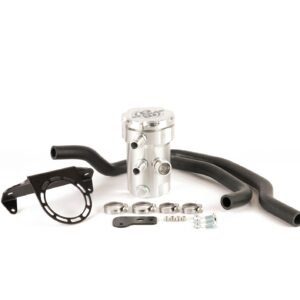
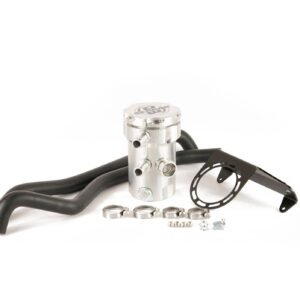
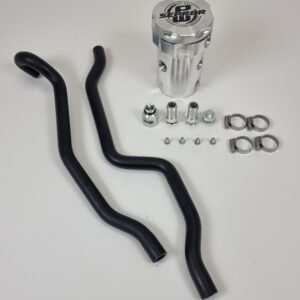
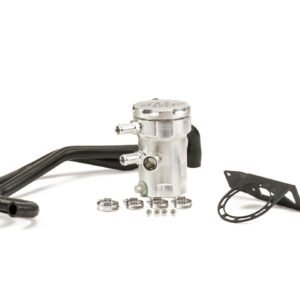
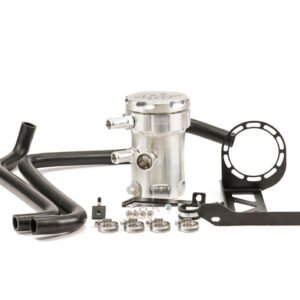
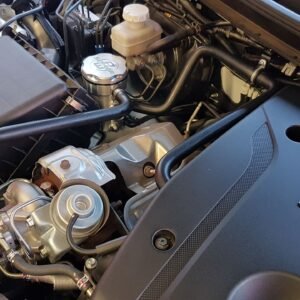
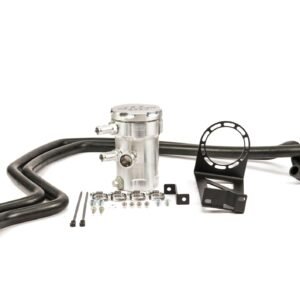
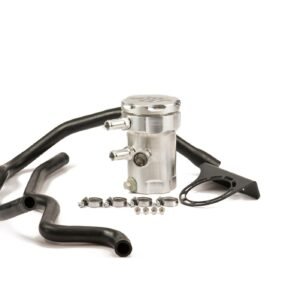
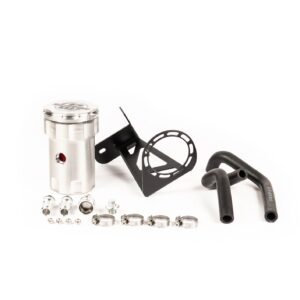
Premium billet-aluminium Process West SEPR8R Air Oil Separator for Mitsubishi Triton MQ. Prevents oil mist contamination, maintains performance, and extends…
Contains information related to marketing campaigns of the user. These are shared with Google AdWords / Google Ads when the Google Ads and Google Analytics accounts are linked together.
90 days
__utma
ID used to identify users and sessions
2 years after last activity
__utmt
Used to monitor number of Google Analytics server requests
10 minutes
__utmb
Used to distinguish new sessions and visits. This cookie is set when the GA.js javascript library is loaded and there is no existing __utmb cookie. The cookie is updated every time data is sent to the Google Analytics server.
30 minutes after last activity
__utmc
Used only with old Urchin versions of Google Analytics and not with GA.js. Was used to distinguish between new sessions and visits at the end of a session.
End of session (browser)
__utmz
Contains information about the traffic source or campaign that directed user to the website. The cookie is set when the GA.js javascript is loaded and updated when data is sent to the Google Anaytics server
6 months after last activity
__utmv
Contains custom information set by the web developer via the _setCustomVar method in Google Analytics. This cookie is updated every time new data is sent to the Google Analytics server.
2 years after last activity
__utmx
Used to determine whether a user is included in an A / B or Multivariate test.
18 months
_ga
ID used to identify users
2 years
_gali
Used by Google Analytics to determine which links on a page are being clicked
30 seconds
_ga_
ID used to identify users
2 years
_gid
ID used to identify users for 24 hours after last activity
24 hours
_gat
Used to monitor number of Google Analytics server requests when using Google Tag Manager
1 minute
SourceBuster is used by WooCommerce for order attribution based on user source.
Name
Description
Duration
sbjs_first_add
Timestamp, referring URL, and entry page for your visitor’s first visit to your store (only applicable if the visitor returns before the session expires)
session
sbjs_current_add
Timestamp, referring URL, and entry page for your visitor’s current visit to your store
session
sbjs_migrations
Technical data to help with migrations between different versions of the tracking feature
session
sbjs_session
The number of page views in this session and the current page path
30 minutes
sbjs_udata
Information about the visitor’s user agent, such as IP, the browser, and the device type
session
sbjs_first
Traffic origin information for the visitor’s first visit to your store (only applicable if the visitor returns before the session expires)
session
sbjs_current
Traffic origin information for the visitor’s current visit to your store
session
Marketing cookies are used to follow visitors to websites. The intention is to show ads that are relevant and engaging to the individual user.
Facebook Pixel is a web analytics service that tracks and reports website traffic.
Installing a catch can in your diesel vehicle offers numerous advantages, primarily in maintaining engine performance and longevity. By filtering out oil mist and contaminants from the crankcase ventilation system, a catch can prevents these harmful substances from entering the intake manifold, which can lead to carbon build-up and reduced efficiency.
Moreover, a catch can system helps in reducing the frequency of maintenance required for your engine. For instance, vehicles equipped with catch cans often experience cleaner intake systems, resulting in fewer repairs and a longer lifespan for engine components. This not only saves on service costs but also enhances overall vehicle reliability.
How to Choose the Right Catch Can
Selecting the appropriate catch can for your diesel vehicle involves considering several key factors, including compatibility, capacity, and construction material. It's essential to ensure that the catch can you choose is specifically designed for your vehicle model to guarantee optimal performance and fit.
In addition, look for catch cans made from high-quality materials, such as aluminum or stainless steel, which offer durability and resistance to corrosion. Capacity is also vital; a larger catch can may require less frequent emptying, making it more convenient for daily use. Researching product reviews and consulting with professionals can further guide you in making an informed decision.
Installation Process for Catch Cans
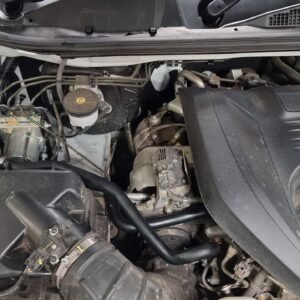
The installation of a catch can is a straightforward process that can often be completed with basic tools. Most catch cans come with a comprehensive installation guide, detailing the necessary steps to connect the unit to your vehicle's crankcase ventilation system. Typically, this involves routing hoses from the engine to the catch can and ensuring secure fittings to prevent leaks.
If you're not comfortable with DIY installations, many automotive specialists, including those at SC Diesel Tuning, offer professional installation services. This ensures that your catch can is installed correctly and functions optimally, providing peace of mind that your engine is well protected from contaminants.
Maintenance Tips for Your Catch Can
Regular maintenance of your catch can is essential for it to function effectively. It's recommended to check the catch can for accumulated oil and contaminants periodically, typically every few thousand kilometers or during routine vehicle servicing. Emptying the can regularly prevents overflow and ensures it continues to capture harmful substances efficiently.
Additionally, inspect the hoses and fittings for any signs of wear or damage. Replacing worn components promptly will help maintain the integrity of the system. By following these maintenance tips, you can ensure that your catch can remains a reliable component in promoting your diesel engine's performance and longevity.
Benefits of Using a Catch Can
Installing a catch can in your diesel vehicle offers numerous advantages, primarily in maintaining engine performance and longevity. By filtering out oil mist and contaminants from the crankcase ventilation system, a catch can prevents these harmful substances from entering the intake manifold, which can lead to carbon build-up and reduced efficiency.
Moreover, a catch can system helps in reducing the frequency of maintenance required for your engine. For instance, vehicles equipped with catch cans often experience cleaner intake systems, resulting in fewer repairs and a longer lifespan for engine components. This not only saves on service costs but also enhances overall vehicle reliability.
How to Choose the Right Catch Can
Selecting the appropriate catch can for your diesel vehicle involves considering several key factors, including compatibility, capacity, and construction material. It's essential to ensure that the catch can you choose is specifically designed for your vehicle model to guarantee optimal performance and fit.
In addition, look for catch cans made from high-quality materials, such as aluminum or stainless steel, which offer durability and resistance to corrosion. Capacity is also vital; a larger catch can may require less frequent emptying, making it more convenient for daily use. Researching product reviews and consulting with professionals can further guide you in making an informed decision.
Installation Process for Catch Cans
The installation of a catch can is a straightforward process that can often be completed with basic tools. Most catch cans come with a comprehensive installation guide, detailing the necessary steps to connect the unit to your vehicle's crankcase ventilation system. Typically, this involves routing hoses from the engine to the catch can and ensuring secure fittings to prevent leaks.
If you're not comfortable with DIY installations, many automotive specialists, including those at SC Diesel Tuning, offer professional installation services. This ensures that your catch can is installed correctly and functions optimally, providing peace of mind that your engine is well protected from contaminants.
Maintenance Tips for Your Catch Can
Regular maintenance of your catch can is essential for it to function effectively. It's recommended to check the catch can for accumulated oil and contaminants periodically, typically every few thousand kilometers or during routine vehicle servicing. Emptying the can regularly prevents overflow and ensures it continues to capture harmful substances efficiently.
Additionally, inspect the hoses and fittings for any signs of wear or damage. Replacing worn components promptly will help maintain the integrity of the system. By following these maintenance tips, you can ensure that your catch can remains a reliable component in promoting your diesel engine's performance and longevity.