Shopping Cart (0)
Close

We use cookies to improve your experience on our site. By using our site, you consent to cookies.
Manage your cookie preferences below:
Essential cookies enable basic functions and are necessary for the proper function of the website.
These cookies are used for managing login functionality on this website.
Statistics cookies collect information anonymously. This information helps us understand how visitors use our website.
Google Analytics is a powerful tool that tracks and analyzes website traffic for informed marketing decisions.
Service URL: policies.google.com (opens in a new window)
SourceBuster is used by WooCommerce for order attribution based on user source.
Marketing cookies are used to follow visitors to websites. The intention is to show ads that are relevant and engaging to the individual user.
Facebook Pixel is a web analytics service that tracks and reports website traffic.
Service URL: www.facebook.com (opens in a new window)
You can find more information in our Cookie Policy and Privacy Policy.
Upgrading to a centre muffler tailpipe can significantly enhance the performance and efficiency of your diesel vehicle. By optimizing exhaust flow, these components reduce back pressure, allowing the engine to breathe more freely, which can lead to improved horsepower and torque.
Additionally, a high-quality centre muffler tailpipe can contribute to better fuel efficiency, as the engine operates more effectively. Many users report noticeable improvements in throttle response and overall driving experience after making this upgrade, making it a popular choice among diesel enthusiasts.
Selecting the appropriate centre muffler tailpipe involves considering factors such as vehicle make and model, engine specifications, and desired sound characteristics. It’s essential to ensure compatibility with your diesel vehicle to achieve optimal performance and avoid installation issues.
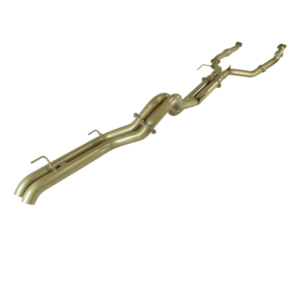
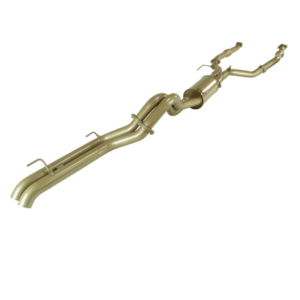
For instance, a twin 3-inch cat-back exhaust system is ideal for vehicles like the Toyota LandCruiser 200 Series, as it is designed to enhance both performance and sound. Consulting with experts or referring to detailed product specifications can help you make an informed decision tailored to your vehicle's needs.
Installing a centre muffler tailpipe can be a straightforward process, especially for those with basic mechanical skills. It typically involves lifting the vehicle, removing the old exhaust components, and fitting the new tailpipe securely in place. Proper alignment is crucial to prevent leaks and ensure optimal performance.
Using high-quality clamps and sealants during installation can enhance durability and performance. Additionally, it’s advisable to check for any clearance issues or vibrations post-installation to ensure that the new exhaust system operates smoothly without interference from other vehicle components.
Regular maintenance of your centre muffler tailpipe is key to ensuring its longevity and performance. This includes routine inspections for rust, damage, or loose fittings, as well as cleaning to remove any build-up of soot or debris that can affect exhaust flow.
Additionally, having a professional inspect the exhaust system during regular vehicle servicing can help identify potential issues before they become significant problems. Maintaining your exhaust system not only enhances performance but also contributes to a cleaner environment by ensuring efficient emissions control.
Upgrading to a centre muffler tailpipe can significantly enhance the performance and efficiency of your diesel vehicle. By optimizing exhaust flow, these components reduce back pressure, allowing the engine to breathe more freely, which can lead to improved horsepower and torque.
Additionally, a high-quality centre muffler tailpipe can contribute to better fuel efficiency, as the engine operates more effectively. Many users report noticeable improvements in throttle response and overall driving experience after making this upgrade, making it a popular choice among diesel enthusiasts.
Selecting the appropriate centre muffler tailpipe involves considering factors such as vehicle make and model, engine specifications, and desired sound characteristics. It’s essential to ensure compatibility with your diesel vehicle to achieve optimal performance and avoid installation issues.
For instance, a twin 3-inch cat-back exhaust system is ideal for vehicles like the Toyota LandCruiser 200 Series, as it is designed to enhance both performance and sound. Consulting with experts or referring to detailed product specifications can help you make an informed decision tailored to your vehicle's needs.
Installing a centre muffler tailpipe can be a straightforward process, especially for those with basic mechanical skills. It typically involves lifting the vehicle, removing the old exhaust components, and fitting the new tailpipe securely in place. Proper alignment is crucial to prevent leaks and ensure optimal performance.
Using high-quality clamps and sealants during installation can enhance durability and performance. Additionally, it’s advisable to check for any clearance issues or vibrations post-installation to ensure that the new exhaust system operates smoothly without interference from other vehicle components.
Regular maintenance of your centre muffler tailpipe is key to ensuring its longevity and performance. This includes routine inspections for rust, damage, or loose fittings, as well as cleaning to remove any build-up of soot or debris that can affect exhaust flow.
Additionally, having a professional inspect the exhaust system during regular vehicle servicing can help identify potential issues before they become significant problems. Maintaining your exhaust system not only enhances performance but also contributes to a cleaner environment by ensuring efficient emissions control.