Understanding DPF Systems
Diesel Particulate Filters (DPFs) are essential components in modern diesel engines, designed to reduce harmful emissions by capturing soot and particulates. Understanding how DPF systems work can help vehicle owners maintain their engines and comply with environmental regulations.
DPFs operate by trapping soot particles produced during combustion, which are then burned off during a process called regeneration. Regular maintenance and timely replacement of DPFs can prevent costly repairs and ensure optimal engine performance, making it crucial for diesel vehicle owners to stay informed about their DPF systems.
Benefits of ECU Remapping
ECU remapping is a popular service that enhances the performance of diesel vehicles by optimizing the engine's control unit settings. This process can lead to significant improvements in power, torque, and fuel efficiency, making it an attractive option for performance enthusiasts.
By adjusting parameters such as fuel injection timing and boost pressure, ECU remapping can unlock the full potential of a diesel engine. For example, a remapped ECU can provide a noticeable increase in horsepower for vehicles like the Toyota Hilux or Ford Ranger, enhancing their overall driving experience.
Choosing the Right Performance Parts
When upgrading a diesel vehicle, selecting the right performance parts is crucial for achieving desired performance gains. Factors such as compatibility, quality, and manufacturer reputation should be considered to ensure optimal results.
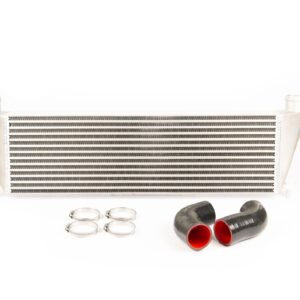
For instance, investing in high-quality intercoolers or exhaust systems can significantly enhance engine efficiency and power output. Brands like HPD and Manta offer reliable options tailored to specific vehicle models, ensuring that users can find the perfect fit for their performance needs.
Common Issues with DPFs
Despite their effectiveness, DPFs can encounter common issues such as clogging or premature failure, often resulting from improper maintenance or driving habits. Recognizing these problems early can save vehicle owners from costly repairs and downtime.
Symptoms of DPF issues include warning lights on the dashboard, reduced engine performance, and increased fuel consumption. Regular checks and using high-quality diesel fuel can help mitigate these problems, ensuring that the DPF functions optimally and maintains the vehicle's performance.