Shopping Cart (0)
Close


We use cookies to improve your experience on our site. By using our site, you consent to cookies.
Manage your cookie preferences below:
Essential cookies enable basic functions and are necessary for the proper function of the website.
These cookies are used for managing login functionality on this website.
Statistics cookies collect information anonymously. This information helps us understand how visitors use our website.
Google Analytics is a powerful tool that tracks and analyzes website traffic for informed marketing decisions.
Service URL: policies.google.com (opens in a new window)
SourceBuster is used by WooCommerce for order attribution based on user source.
Marketing cookies are used to follow visitors to websites. The intention is to show ads that are relevant and engaging to the individual user.
Facebook Pixel is a web analytics service that tracks and reports website traffic.
Service URL: www.facebook.com (opens in a new window)
You can find more information in our Cookie Policy and Privacy Policy.
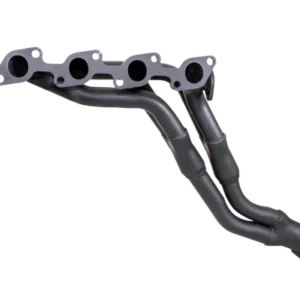
Upgrading the exhaust system of your Toyota Hilux LN167 significantly enhances engine performance and fuel efficiency. A well-designed exhaust system reduces back pressure, allowing the engine to breathe better, which translates to improved power output and throttle response.
Additionally, a performance exhaust can lead to a more aggressive sound, giving your vehicle a sporty character. Many users report noticeable improvements in acceleration and overall driving experience after installing a quality exhaust upgrade, making it a worthwhile investment for any Hilux owner.
Selecting the appropriate exhaust system for your Hilux LN167 depends on your driving style and performance goals. Factors to consider include pipe diameter, material quality, and design type, such as cat-back or turbo-back systems, which can all affect performance and sound.
For instance, a 3-inch exhaust may provide greater flow for high-performance applications, while a 2.5-inch system might be sufficient for daily driving. Consulting with experts or reading customer reviews can help you make an informed decision tailored to your specific needs.
The installation of an exhaust upgrade for the Hilux LN167 can be a straightforward process, especially with bolt-on systems designed for easy fitment. Many users choose to perform the installation themselves, but professional installation is recommended for those unfamiliar with automotive modifications.
Typically, the process involves lifting the vehicle, removing the old exhaust components, and fitting the new system using the provided hardware. Ensuring all connections are secure and leak-free is crucial for optimal performance and longevity of the exhaust system.
Regular maintenance of your exhaust system is essential to ensure its longevity and performance. Inspecting for rust, leaks, and loose connections should be part of your routine vehicle checks, especially if you frequently drive in harsh conditions.
Cleaning the exhaust tips and checking for any signs of damage will help maintain the system's appearance and functionality. Additionally, scheduling periodic inspections with a professional can catch potential issues early, preventing costly repairs down the line.
Upgrading the exhaust system of your Toyota Hilux LN167 significantly enhances engine performance and fuel efficiency. A well-designed exhaust system reduces back pressure, allowing the engine to breathe better, which translates to improved power output and throttle response.
Additionally, a performance exhaust can lead to a more aggressive sound, giving your vehicle a sporty character. Many users report noticeable improvements in acceleration and overall driving experience after installing a quality exhaust upgrade, making it a worthwhile investment for any Hilux owner.
Selecting the appropriate exhaust system for your Hilux LN167 depends on your driving style and performance goals. Factors to consider include pipe diameter, material quality, and design type, such as cat-back or turbo-back systems, which can all affect performance and sound.
For instance, a 3-inch exhaust may provide greater flow for high-performance applications, while a 2.5-inch system might be sufficient for daily driving. Consulting with experts or reading customer reviews can help you make an informed decision tailored to your specific needs.
The installation of an exhaust upgrade for the Hilux LN167 can be a straightforward process, especially with bolt-on systems designed for easy fitment. Many users choose to perform the installation themselves, but professional installation is recommended for those unfamiliar with automotive modifications.
Typically, the process involves lifting the vehicle, removing the old exhaust components, and fitting the new system using the provided hardware. Ensuring all connections are secure and leak-free is crucial for optimal performance and longevity of the exhaust system.
Regular maintenance of your exhaust system is essential to ensure its longevity and performance. Inspecting for rust, leaks, and loose connections should be part of your routine vehicle checks, especially if you frequently drive in harsh conditions.
Cleaning the exhaust tips and checking for any signs of damage will help maintain the system's appearance and functionality. Additionally, scheduling periodic inspections with a professional can catch potential issues early, preventing costly repairs down the line.