Contains information related to marketing campaigns of the user. These are shared with Google AdWords / Google Ads when the Google Ads and Google Analytics accounts are linked together.
90 days
__utma
ID used to identify users and sessions
2 years after last activity
__utmt
Used to monitor number of Google Analytics server requests
10 minutes
__utmb
Used to distinguish new sessions and visits. This cookie is set when the GA.js javascript library is loaded and there is no existing __utmb cookie. The cookie is updated every time data is sent to the Google Analytics server.
30 minutes after last activity
__utmc
Used only with old Urchin versions of Google Analytics and not with GA.js. Was used to distinguish between new sessions and visits at the end of a session.
End of session (browser)
__utmz
Contains information about the traffic source or campaign that directed user to the website. The cookie is set when the GA.js javascript is loaded and updated when data is sent to the Google Anaytics server
6 months after last activity
__utmv
Contains custom information set by the web developer via the _setCustomVar method in Google Analytics. This cookie is updated every time new data is sent to the Google Analytics server.
2 years after last activity
__utmx
Used to determine whether a user is included in an A / B or Multivariate test.
18 months
_ga
ID used to identify users
2 years
_gali
Used by Google Analytics to determine which links on a page are being clicked
30 seconds
_ga_
ID used to identify users
2 years
_gid
ID used to identify users for 24 hours after last activity
24 hours
_gat
Used to monitor number of Google Analytics server requests when using Google Tag Manager
1 minute
SourceBuster is used by WooCommerce for order attribution based on user source.
Name
Description
Duration
sbjs_first_add
Timestamp, referring URL, and entry page for your visitor’s first visit to your store (only applicable if the visitor returns before the session expires)
session
sbjs_current_add
Timestamp, referring URL, and entry page for your visitor’s current visit to your store
session
sbjs_migrations
Technical data to help with migrations between different versions of the tracking feature
session
sbjs_session
The number of page views in this session and the current page path
30 minutes
sbjs_udata
Information about the visitor’s user agent, such as IP, the browser, and the device type
session
sbjs_first
Traffic origin information for the visitor’s first visit to your store (only applicable if the visitor returns before the session expires)
session
sbjs_current
Traffic origin information for the visitor’s current visit to your store
session
Marketing cookies are used to follow visitors to websites. The intention is to show ads that are relevant and engaging to the individual user.
Facebook Pixel is a web analytics service that tracks and reports website traffic.
Benefits of Upgrading Your Mitsubishi Pajero Intercooler
Upgrading your Mitsubishi Pajero intercooler can significantly enhance your vehicle's performance, providing better cooling efficiency and increased power output. A high-quality intercooler helps maintain optimal engine temperatures, which is crucial for performance, especially during towing or off-road driving.
For instance, models equipped with upgraded intercoolers often experience improved throttle response and reduced turbo lag. This enhancement not only leads to a more enjoyable driving experience but also contributes to the longevity of your engine by preventing overheating and maintaining ideal operating conditions.
Choosing the Right Intercooler for Your Pajero
Selecting the appropriate intercooler for your Mitsubishi Pajero involves considering factors such as your vehicle's model year, intended use, and performance goals. Different intercoolers are designed to cater to various driving conditions, whether for daily commuting or rugged off-road adventures.
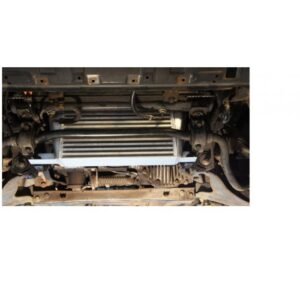
For example, the HPD Series 2 Intercooler is specifically engineered for the Pajero NM/NP V60 (2000–2006) and offers substantial improvements in cooling efficiency and power. Understanding your specific needs will ensure you choose an intercooler that maximizes performance without compromising reliability.
Installation Tips for Mitsubishi Pajero Intercoolers
Proper installation of your Mitsubishi Pajero intercooler is essential to realize its full performance potential. While some enthusiasts may opt for professional installation, many choose to tackle the project themselves, provided they have the right tools and knowledge.
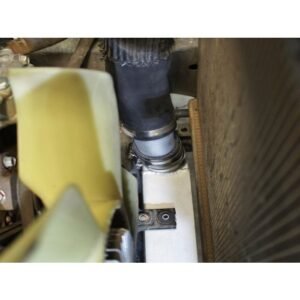
Key installation tips include ensuring all connections are secure to prevent leaks and checking for any air blockages that may hinder performance. Additionally, following manufacturer guidelines and recommendations can help avoid common pitfalls during the installation process, ensuring a smooth upgrade experience.
Maintenance of Your Intercooler System
Regular maintenance of your Mitsubishi Pajero intercooler system is vital for sustaining optimal performance over time. This includes periodic inspections for any signs of wear, leaks, or damage that could impede functionality.
Cleaning the intercooler and ensuring that all components are free from debris will help maintain proper airflow and cooling efficiency. Additionally, monitoring the performance of your engine can provide insights into the health of your intercooler, allowing for timely interventions when necessary.
Benefits of Upgrading Your Mitsubishi Pajero Intercooler
Upgrading your Mitsubishi Pajero intercooler can significantly enhance your vehicle's performance, providing better cooling efficiency and increased power output. A high-quality intercooler helps maintain optimal engine temperatures, which is crucial for performance, especially during towing or off-road driving.
For instance, models equipped with upgraded intercoolers often experience improved throttle response and reduced turbo lag. This enhancement not only leads to a more enjoyable driving experience but also contributes to the longevity of your engine by preventing overheating and maintaining ideal operating conditions.
Choosing the Right Intercooler for Your Pajero
Selecting the appropriate intercooler for your Mitsubishi Pajero involves considering factors such as your vehicle's model year, intended use, and performance goals. Different intercoolers are designed to cater to various driving conditions, whether for daily commuting or rugged off-road adventures.
For example, the HPD Series 2 Intercooler is specifically engineered for the Pajero NM/NP V60 (2000–2006) and offers substantial improvements in cooling efficiency and power. Understanding your specific needs will ensure you choose an intercooler that maximizes performance without compromising reliability.
Installation Tips for Mitsubishi Pajero Intercoolers
Proper installation of your Mitsubishi Pajero intercooler is essential to realize its full performance potential. While some enthusiasts may opt for professional installation, many choose to tackle the project themselves, provided they have the right tools and knowledge.
Key installation tips include ensuring all connections are secure to prevent leaks and checking for any air blockages that may hinder performance. Additionally, following manufacturer guidelines and recommendations can help avoid common pitfalls during the installation process, ensuring a smooth upgrade experience.
Maintenance of Your Intercooler System
Regular maintenance of your Mitsubishi Pajero intercooler system is vital for sustaining optimal performance over time. This includes periodic inspections for any signs of wear, leaks, or damage that could impede functionality.
Cleaning the intercooler and ensuring that all components are free from debris will help maintain proper airflow and cooling efficiency. Additionally, monitoring the performance of your engine can provide insights into the health of your intercooler, allowing for timely interventions when necessary.