Contains information related to marketing campaigns of the user. These are shared with Google AdWords / Google Ads when the Google Ads and Google Analytics accounts are linked together.
90 days
__utma
ID used to identify users and sessions
2 years after last activity
__utmt
Used to monitor number of Google Analytics server requests
10 minutes
__utmb
Used to distinguish new sessions and visits. This cookie is set when the GA.js javascript library is loaded and there is no existing __utmb cookie. The cookie is updated every time data is sent to the Google Analytics server.
30 minutes after last activity
__utmc
Used only with old Urchin versions of Google Analytics and not with GA.js. Was used to distinguish between new sessions and visits at the end of a session.
End of session (browser)
__utmz
Contains information about the traffic source or campaign that directed user to the website. The cookie is set when the GA.js javascript is loaded and updated when data is sent to the Google Anaytics server
6 months after last activity
__utmv
Contains custom information set by the web developer via the _setCustomVar method in Google Analytics. This cookie is updated every time new data is sent to the Google Analytics server.
2 years after last activity
__utmx
Used to determine whether a user is included in an A / B or Multivariate test.
18 months
_ga
ID used to identify users
2 years
_gali
Used by Google Analytics to determine which links on a page are being clicked
30 seconds
_ga_
ID used to identify users
2 years
_gid
ID used to identify users for 24 hours after last activity
24 hours
_gat
Used to monitor number of Google Analytics server requests when using Google Tag Manager
1 minute
SourceBuster is used by WooCommerce for order attribution based on user source.
Name
Description
Duration
sbjs_first_add
Timestamp, referring URL, and entry page for your visitor’s first visit to your store (only applicable if the visitor returns before the session expires)
session
sbjs_current_add
Timestamp, referring URL, and entry page for your visitor’s current visit to your store
session
sbjs_migrations
Technical data to help with migrations between different versions of the tracking feature
session
sbjs_session
The number of page views in this session and the current page path
30 minutes
sbjs_udata
Information about the visitor’s user agent, such as IP, the browser, and the device type
session
sbjs_first
Traffic origin information for the visitor’s first visit to your store (only applicable if the visitor returns before the session expires)
session
sbjs_current
Traffic origin information for the visitor’s current visit to your store
session
Marketing cookies are used to follow visitors to websites. The intention is to show ads that are relevant and engaging to the individual user.
Facebook Pixel is a web analytics service that tracks and reports website traffic.
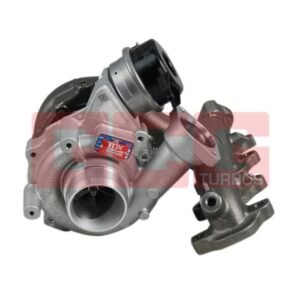
Upgrading your turbocharger can significantly enhance your diesel vehicle's performance, providing more power and efficiency. A new turbocharger can improve airflow, resulting in better combustion and increased horsepower, allowing your vehicle to perform optimally in various conditions.
For instance, many diesel enthusiasts report noticeable improvements in torque and throttle response after upgrading to a high-performance turbo. Additionally, a turbo upgrade can also lead to better fuel economy, especially when paired with other performance enhancements like ECU tuning.
Choosing the Right Turbocharger for Your Vehicle
Selecting the appropriate turbocharger is crucial for achieving desired performance gains while ensuring compatibility with your diesel engine. Factors to consider include the engine size, intended use (towing, off-roading, or daily driving), and the specific performance goals you wish to achieve.
For example, a turbo designed for high RPM performance may not be suitable for towing applications. It's essential to consult with experts or refer to product specifications to ensure you choose a turbocharger that aligns with your vehicle's capabilities and your driving needs.
Benefits of Diesel Performance Tuning
Diesel performance tuning can unlock your vehicle's full potential, allowing for improved power, torque, and efficiency. By optimizing the engine's fuel and air mixture, performance tuning enhances overall engine responsiveness and can lead to significant gains in acceleration and towing capacity.
For instance, many users experience up to a 30% increase in horsepower after a proper tuning session. Moreover, tuning can also help in prolonging engine life by ensuring that the engine operates within optimal parameters, reducing wear and tear over time.
Maintenance Tips for Turbocharged Diesel Engines
Regular maintenance is essential for ensuring the longevity and performance of turbocharged diesel engines. Key practices include frequent oil changes, monitoring coolant levels, and ensuring that the air intake system is clean and free of obstructions.
Additionally, it's advisable to allow the engine to cool down after heavy use to prevent turbo damage. Regular inspections and maintenance not only enhance performance but also help in identifying potential issues before they escalate into costly repairs.
Why Upgrade Your Turbocharger?
Upgrading your turbocharger can significantly enhance your diesel vehicle's performance, providing more power and efficiency. A new turbocharger can improve airflow, resulting in better combustion and increased horsepower, allowing your vehicle to perform optimally in various conditions.
For instance, many diesel enthusiasts report noticeable improvements in torque and throttle response after upgrading to a high-performance turbo. Additionally, a turbo upgrade can also lead to better fuel economy, especially when paired with other performance enhancements like ECU tuning.
Choosing the Right Turbocharger for Your Vehicle
Selecting the appropriate turbocharger is crucial for achieving desired performance gains while ensuring compatibility with your diesel engine. Factors to consider include the engine size, intended use (towing, off-roading, or daily driving), and the specific performance goals you wish to achieve.
For example, a turbo designed for high RPM performance may not be suitable for towing applications. It's essential to consult with experts or refer to product specifications to ensure you choose a turbocharger that aligns with your vehicle's capabilities and your driving needs.
Benefits of Diesel Performance Tuning
Diesel performance tuning can unlock your vehicle's full potential, allowing for improved power, torque, and efficiency. By optimizing the engine's fuel and air mixture, performance tuning enhances overall engine responsiveness and can lead to significant gains in acceleration and towing capacity.
For instance, many users experience up to a 30% increase in horsepower after a proper tuning session. Moreover, tuning can also help in prolonging engine life by ensuring that the engine operates within optimal parameters, reducing wear and tear over time.
Maintenance Tips for Turbocharged Diesel Engines
Regular maintenance is essential for ensuring the longevity and performance of turbocharged diesel engines. Key practices include frequent oil changes, monitoring coolant levels, and ensuring that the air intake system is clean and free of obstructions.
Additionally, it's advisable to allow the engine to cool down after heavy use to prevent turbo damage. Regular inspections and maintenance not only enhance performance but also help in identifying potential issues before they escalate into costly repairs.