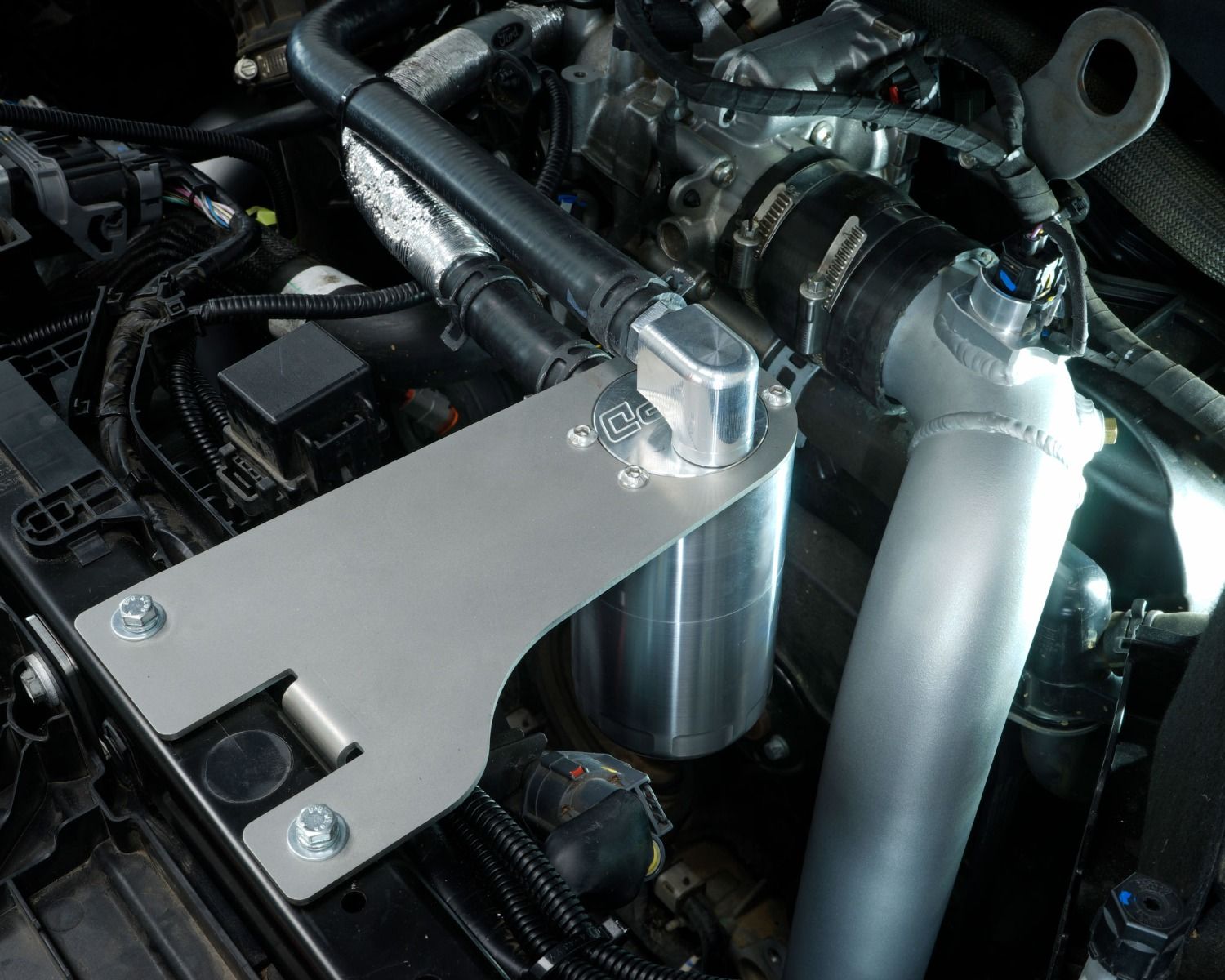
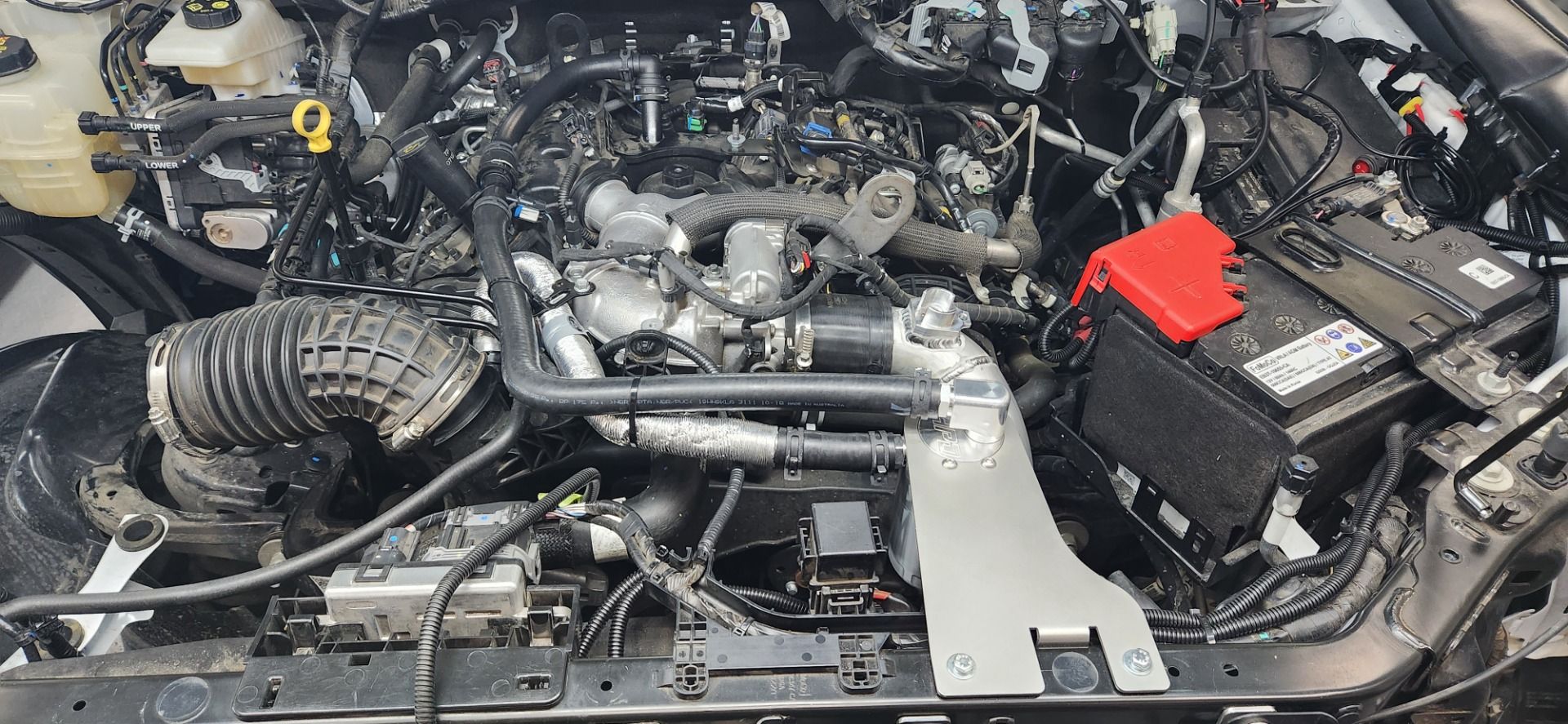
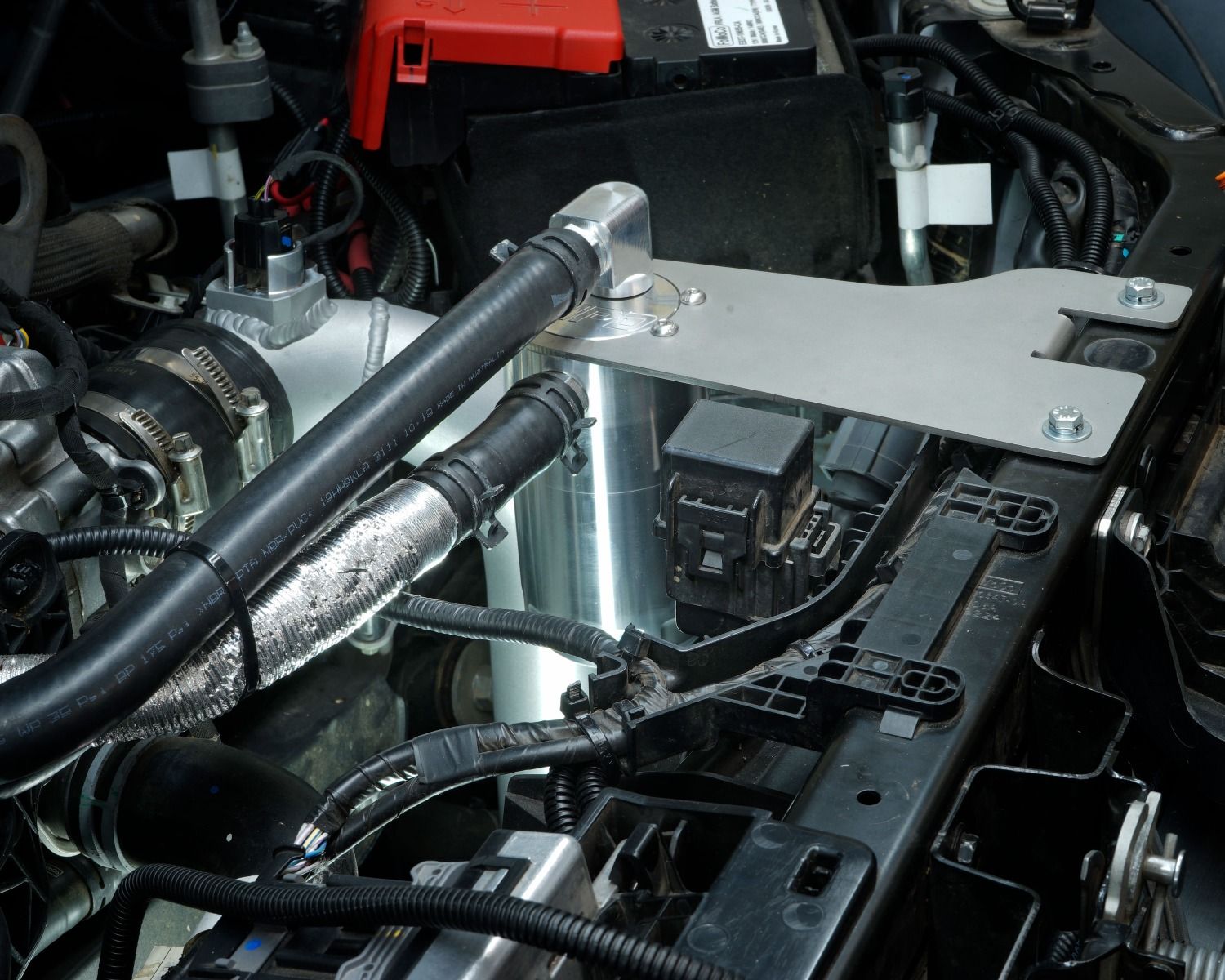
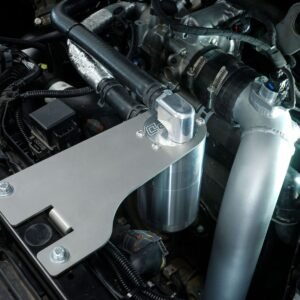
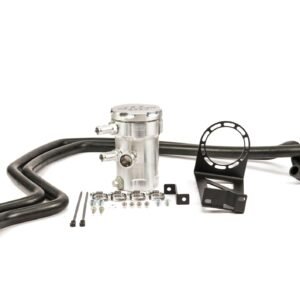
HPD’s Australian made billet CNC machined oil catch can / oil air separators have been designed to reduce the amount of oil from the engines crank case breather entering the intake system.
“Protect your investment fit HPD’s oil separator kit.”
HPD’s Australian made billet CNC machined oil catch can / oil air separators have been designed to reduce the amount of oil from the engines crank case breather entering the intake system.
The issue is with the oil entering the intake system on modern diesel engines fitted with EGR (exhaust gas recirculation) where the exhaust gas valve is commanded by the ECM (engine control module) to open and allow exhaust gasses back into the inlet mixing with the oil that’s been left as a film inside the inlet manifold, thus this process just keeps on repeating itself, causing the issue of the manifold being blocked or clogged reducing the air flow to the engine’s cylinders, resulting in lack of performance, black smoke, engine wear and even engine failure.
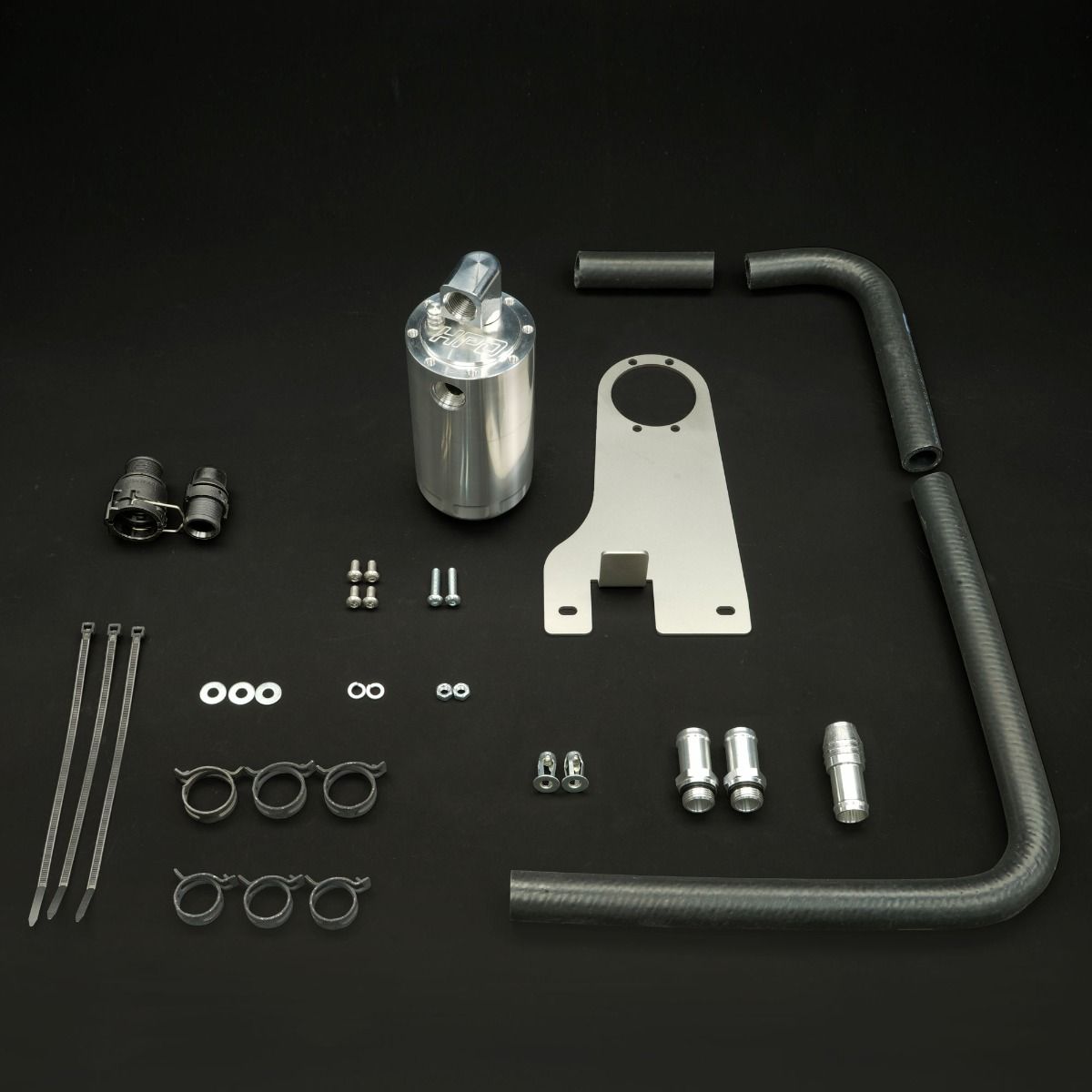
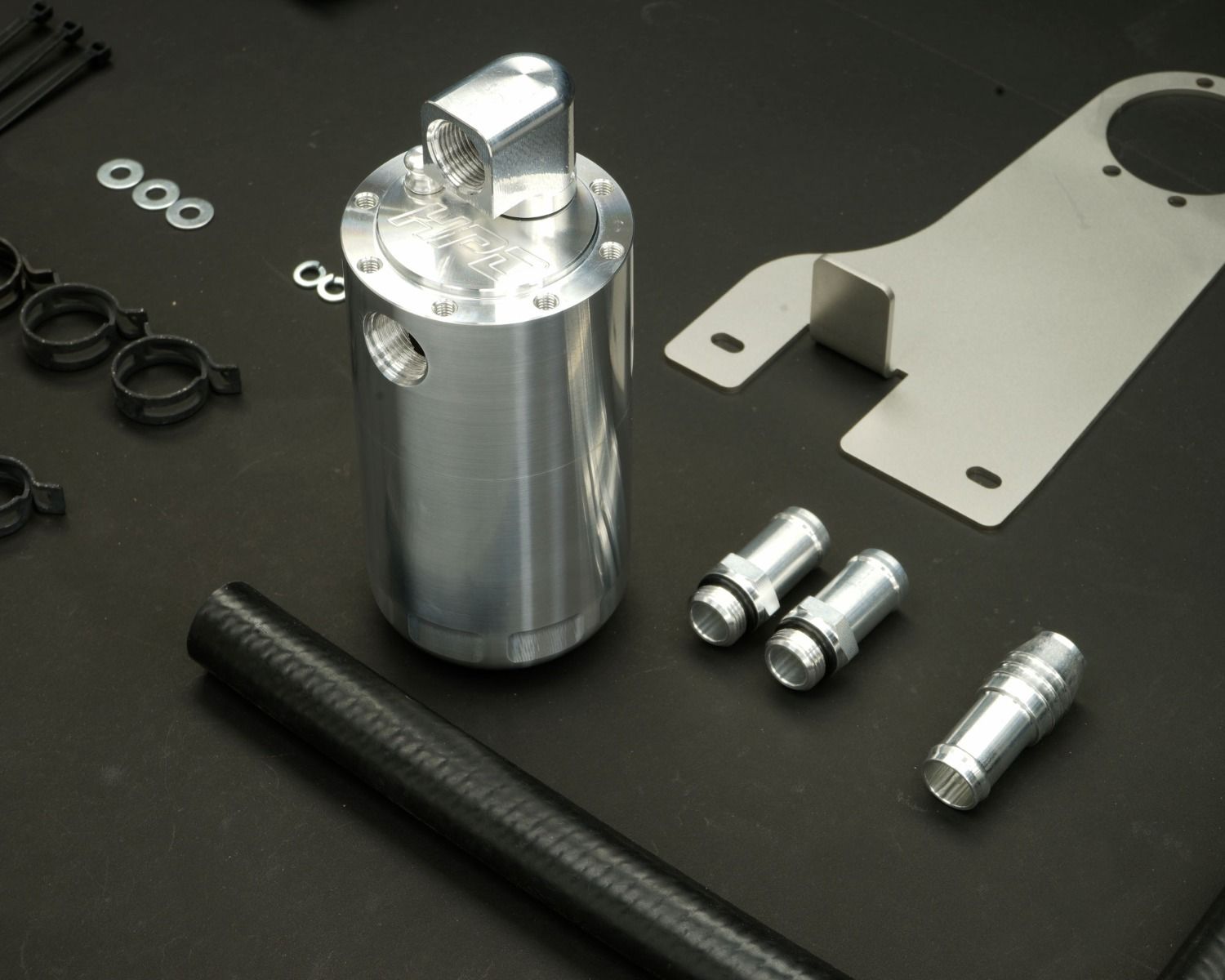
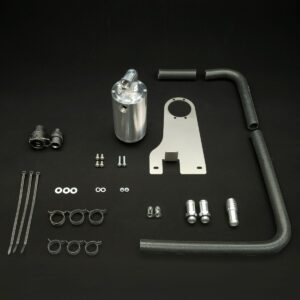
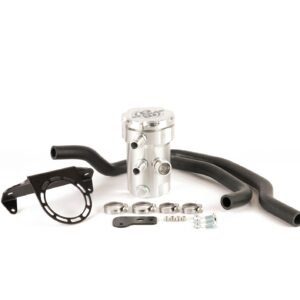
HPD’s oil catch can / oil separators come in universal and complete kits with all required stainless steel laser cut bracketry, correct size hose tail fitting, washable internal stainless mesh filters, cut to size oil resistant hosing, bolts, nuts, washer, spring clamps and installation instructions for each vehicle.
Key Benefits:
Reduces oil in intake system
Allows intercooler to work efficiently
Eliminates carbon & oil build up in inlet manifold
Contains information related to marketing campaigns of the user. These are shared with Google AdWords / Google Ads when the Google Ads and Google Analytics accounts are linked together.
90 days
__utma
ID used to identify users and sessions
2 years after last activity
__utmt
Used to monitor number of Google Analytics server requests
10 minutes
__utmb
Used to distinguish new sessions and visits. This cookie is set when the GA.js javascript library is loaded and there is no existing __utmb cookie. The cookie is updated every time data is sent to the Google Analytics server.
30 minutes after last activity
__utmc
Used only with old Urchin versions of Google Analytics and not with GA.js. Was used to distinguish between new sessions and visits at the end of a session.
End of session (browser)
__utmz
Contains information about the traffic source or campaign that directed user to the website. The cookie is set when the GA.js javascript is loaded and updated when data is sent to the Google Anaytics server
6 months after last activity
__utmv
Contains custom information set by the web developer via the _setCustomVar method in Google Analytics. This cookie is updated every time new data is sent to the Google Analytics server.
2 years after last activity
__utmx
Used to determine whether a user is included in an A / B or Multivariate test.
18 months
_ga
ID used to identify users
2 years
_gali
Used by Google Analytics to determine which links on a page are being clicked
30 seconds
_ga_
ID used to identify users
2 years
_gid
ID used to identify users for 24 hours after last activity
24 hours
_gat
Used to monitor number of Google Analytics server requests when using Google Tag Manager
1 minute
SourceBuster is used by WooCommerce for order attribution based on user source.
Name
Description
Duration
sbjs_first_add
Timestamp, referring URL, and entry page for your visitor’s first visit to your store (only applicable if the visitor returns before the session expires)
session
sbjs_current_add
Timestamp, referring URL, and entry page for your visitor’s current visit to your store
session
sbjs_migrations
Technical data to help with migrations between different versions of the tracking feature
session
sbjs_session
The number of page views in this session and the current page path
30 minutes
sbjs_udata
Information about the visitor’s user agent, such as IP, the browser, and the device type
session
sbjs_first
Traffic origin information for the visitor’s first visit to your store (only applicable if the visitor returns before the session expires)
session
sbjs_current
Traffic origin information for the visitor’s current visit to your store
session
Marketing cookies are used to follow visitors to websites. The intention is to show ads that are relevant and engaging to the individual user.
Facebook Pixel is a web analytics service that tracks and reports website traffic.
Oil contamination in diesel engines is a significant concern, especially for modern vehicles equipped with EGR systems. When exhaust gases are recirculated back into the intake, they can mix with oil residue, leading to a buildup that clogs the intake system and affects engine performance.
This contamination not only hampers airflow to the engine's cylinders but can also result in increased engine wear, reduced fuel efficiency, and even serious engine damage over time. Addressing this issue is crucial for maintaining the health of your vehicle.
Installation Guide for HPD Oil Catch Can
Installing the HPD oil catch can is a straightforward process that can greatly enhance your engine's performance. Each kit comes with detailed installation instructions, ensuring that even those with minimal mechanical experience can successfully fit the catch can to their vehicle.
Included in the kit are all necessary components, such as stainless steel brackets, oil-resistant hoses, and fittings, making the installation efficient and hassle-free. Proper installation not only maximizes the catch can's effectiveness but also helps prevent future oil contamination issues.
Customer Testimonials and Success Stories
Many automotive enthusiasts have experienced significant improvements in engine performance after installing the HPD oil catch can. Customers report smoother engine operation, reduced exhaust smoke, and better fuel economy, showcasing the product's effectiveness in addressing oil contamination.
These testimonials highlight the reliability of HPD products, as users share their success stories and recommend the oil catch can to fellow diesel vehicle owners. Real-world experiences serve as a testament to the quality and performance of the HPD brand.
Maintenance Tips for Your Oil Catch Can
To ensure your HPD oil catch can operates at peak efficiency, regular maintenance is essential. It is recommended to check the oil level in the catch can periodically and empty it as necessary to prevent overflow and maintain optimal performance.
Additionally, cleaning the internal stainless mesh filters will help keep the system functioning effectively. By adhering to these maintenance tips, you can prolong the life of your oil catch can and continue to enjoy its benefits for your diesel engine.
Understanding Oil Contamination in Diesel Engines
Oil contamination in diesel engines is a significant concern, especially for modern vehicles equipped with EGR systems. When exhaust gases are recirculated back into the intake, they can mix with oil residue, leading to a buildup that clogs the intake system and affects engine performance.
This contamination not only hampers airflow to the engine's cylinders but can also result in increased engine wear, reduced fuel efficiency, and even serious engine damage over time. Addressing this issue is crucial for maintaining the health of your vehicle.
Installation Guide for HPD Oil Catch Can
Installing the HPD oil catch can is a straightforward process that can greatly enhance your engine's performance. Each kit comes with detailed installation instructions, ensuring that even those with minimal mechanical experience can successfully fit the catch can to their vehicle.
Included in the kit are all necessary components, such as stainless steel brackets, oil-resistant hoses, and fittings, making the installation efficient and hassle-free. Proper installation not only maximizes the catch can's effectiveness but also helps prevent future oil contamination issues.
Customer Testimonials and Success Stories
Many automotive enthusiasts have experienced significant improvements in engine performance after installing the HPD oil catch can. Customers report smoother engine operation, reduced exhaust smoke, and better fuel economy, showcasing the product's effectiveness in addressing oil contamination.
These testimonials highlight the reliability of HPD products, as users share their success stories and recommend the oil catch can to fellow diesel vehicle owners. Real-world experiences serve as a testament to the quality and performance of the HPD brand.
Maintenance Tips for Your Oil Catch Can
To ensure your HPD oil catch can operates at peak efficiency, regular maintenance is essential. It is recommended to check the oil level in the catch can periodically and empty it as necessary to prevent overflow and maintain optimal performance.
Additionally, cleaning the internal stainless mesh filters will help keep the system functioning effectively. By adhering to these maintenance tips, you can prolong the life of your oil catch can and continue to enjoy its benefits for your diesel engine.