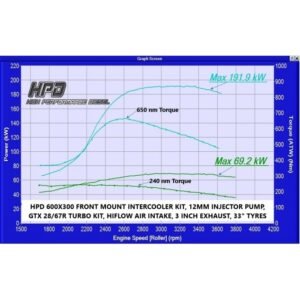
Upgrade your Mitsubishi Pajero NM/NP V60 (2000–2006) with the HPD Series 2 Intercooler Kit, engineered for improved cooling efficiency, torque gains, and reliability in Australian conditions.
Overview – HPD Series 2 Intercooler Kit Mitsubishi Pajero 2000–2006
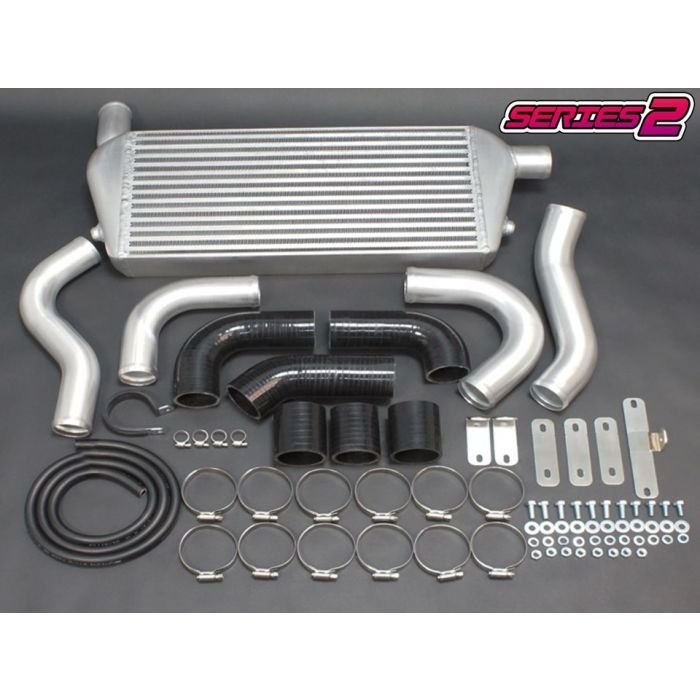
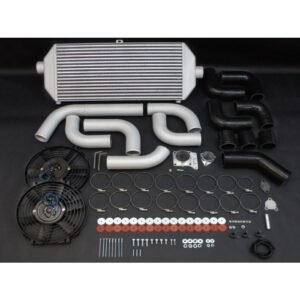
The HPD Series 2 Intercooler Kit for the Mitsubishi Pajero 2000–2006 NM/NP V60 (3rd Generation) is designed to deliver exceptional performance and cooling efficiency. Built to handle Australia’s toughest environments, this front-mount intercooler enhances airflow, reduces intake temperatures, and provides reliable power gains. Whether towing, touring, or tackling off-road adventures, this kit ensures optimal performance and engine protection.
Key Features – HPD Series 2 Mitsubishi Pajero Intercooler Kit
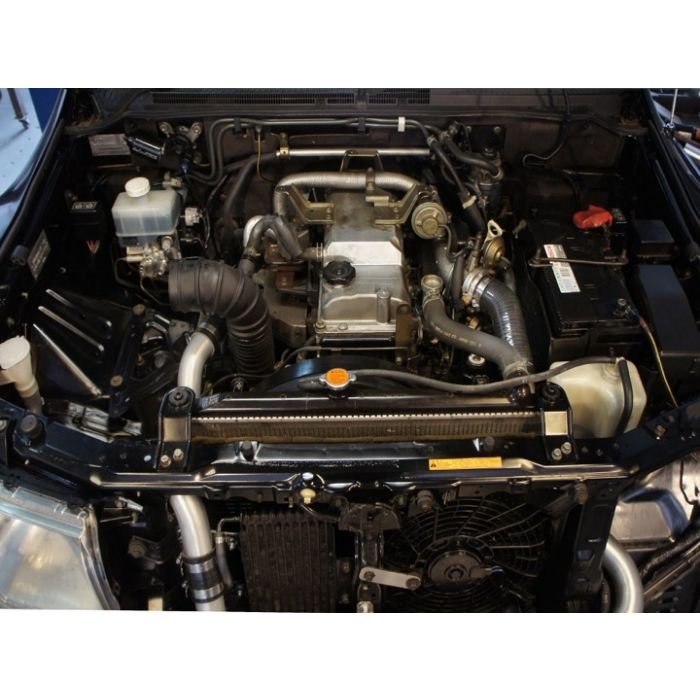
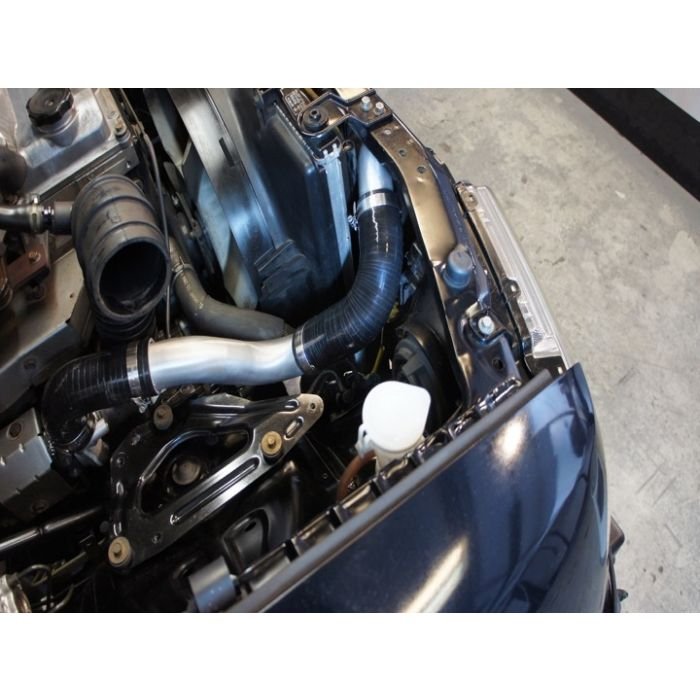
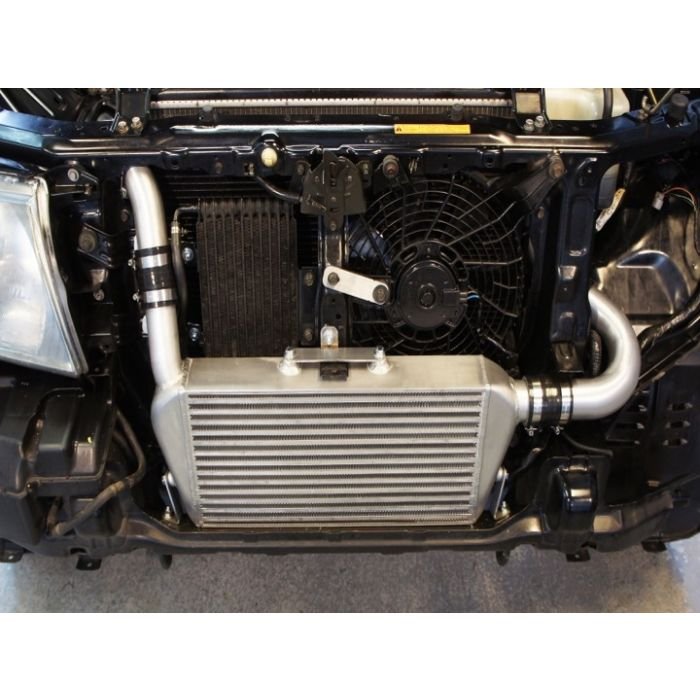
Direct bolt-on design for Mitsubishi Pajero NM/NP V60 (2000–2006, 3rd Gen)
High-flow bar and plate intercooler core
Durable aluminium piping with silicone hoses
Significant intake air temperature reduction
Enhanced torque and throttle response
Optional HPD Catch Can upgrade (+$400)
Australian-designed and tested for harsh conditions
Specifications – HPD Intercooler Kit for Pajero NM/NP V60
This kit is engineered for the Mitsubishi Pajero NM/NP V60 (2000–2006, 3rd Generation). Options are available for both automatic and manual transmissions (manual option without snorkel).
PDF Fitting Instructions – HPD Series 2 Pajero Intercooler Kit
Delivery & Lead Times – HPD Pajero Intercooler Kits
All HPD intercooler kits are Australian-made. Standard lead time is approximately 5–10 business days. Delivery is available Australia-wide.
Professional Fitting Service – Pajero Intercooler Kit Sunshine Coast
At Sunshine Coast Diesel Tuning, we provide professional installation of HPD performance intercoolers. Our expert technicians ensure a seamless fit, improved reliability, and maximum performance. Contact us today to arrange fitting at our Sunshine Coast workshop.
Contains information related to marketing campaigns of the user. These are shared with Google AdWords / Google Ads when the Google Ads and Google Analytics accounts are linked together.
90 days
__utma
ID used to identify users and sessions
2 years after last activity
__utmt
Used to monitor number of Google Analytics server requests
10 minutes
__utmb
Used to distinguish new sessions and visits. This cookie is set when the GA.js javascript library is loaded and there is no existing __utmb cookie. The cookie is updated every time data is sent to the Google Analytics server.
30 minutes after last activity
__utmc
Used only with old Urchin versions of Google Analytics and not with GA.js. Was used to distinguish between new sessions and visits at the end of a session.
End of session (browser)
__utmz
Contains information about the traffic source or campaign that directed user to the website. The cookie is set when the GA.js javascript is loaded and updated when data is sent to the Google Anaytics server
6 months after last activity
__utmv
Contains custom information set by the web developer via the _setCustomVar method in Google Analytics. This cookie is updated every time new data is sent to the Google Analytics server.
2 years after last activity
__utmx
Used to determine whether a user is included in an A / B or Multivariate test.
18 months
_ga
ID used to identify users
2 years
_gali
Used by Google Analytics to determine which links on a page are being clicked
30 seconds
_ga_
ID used to identify users
2 years
_gid
ID used to identify users for 24 hours after last activity
24 hours
_gat
Used to monitor number of Google Analytics server requests when using Google Tag Manager
1 minute
SourceBuster is used by WooCommerce for order attribution based on user source.
Name
Description
Duration
sbjs_first_add
Timestamp, referring URL, and entry page for your visitor’s first visit to your store (only applicable if the visitor returns before the session expires)
session
sbjs_current_add
Timestamp, referring URL, and entry page for your visitor’s current visit to your store
session
sbjs_migrations
Technical data to help with migrations between different versions of the tracking feature
session
sbjs_session
The number of page views in this session and the current page path
30 minutes
sbjs_udata
Information about the visitor’s user agent, such as IP, the browser, and the device type
session
sbjs_first
Traffic origin information for the visitor’s first visit to your store (only applicable if the visitor returns before the session expires)
session
sbjs_current
Traffic origin information for the visitor’s current visit to your store
session
Marketing cookies are used to follow visitors to websites. The intention is to show ads that are relevant and engaging to the individual user.
Facebook Pixel is a web analytics service that tracks and reports website traffic.
Benefits of Upgrading to the HPD Series 2 Intercooler
Upgrading to the HPD Series 2 Intercooler offers numerous benefits for Mitsubishi Pajero owners, including improved engine performance and efficiency. The enhanced cooling capabilities of this intercooler help to maintain optimal engine temperatures, which is crucial for maximizing power output and reducing the risk of engine knock.
In addition to performance improvements, users can expect better throttle response and torque gains, particularly in demanding driving conditions. This upgrade is particularly beneficial for those who frequently tow heavy loads or drive in hot climates, ensuring the engine operates at peak efficiency without overheating.
Installation Process for the HPD Series 2 Intercooler
The installation process for the HPD Series 2 Intercooler is designed to be straightforward, allowing users to enhance their vehicle's performance with ease. The kit comes with a direct bolt-on design, which means minimal modifications are required, making it accessible for both professional mechanics and DIY enthusiasts.
Included in the kit are comprehensive installation instructions and all necessary hardware, ensuring a smooth installation experience. For those who prefer professional help, our recommended fitting service offers expert installation, guaranteeing that the intercooler is set up correctly for optimal performance.
Customer Reviews and Testimonials
Our customers have shared their experiences with the HPD Series 2 Intercooler, highlighting its significant impact on their Mitsubishi Pajero's performance. Many users report noticeable improvements in engine responsiveness and overall driving experience, making it a highly recommended upgrade in the diesel tuning community.
Testimonials frequently mention the exceptional quality and durability of the intercooler, with several users praising its effectiveness in harsh Australian conditions. These positive reviews reflect the product's reliability and the value it adds to the vehicle, further establishing its reputation in the market.
Comparative Analysis: HPD Series 2 vs. Competitor Intercoolers
When considering an intercooler upgrade for the Mitsubishi Pajero, it's essential to compare options in the market. The HPD Series 2 Intercooler stands out due to its high-flow bar and plate design, which offers superior cooling efficiency compared to many competitor products.
Additionally, the use of durable materials and a design tested for Australian conditions ensures that the HPD intercooler not only performs well but also lasts longer than alternatives. This comparative analysis helps potential buyers make informed decisions based on performance metrics and user satisfaction.
Benefits of Upgrading to the HPD Series 2 Intercooler
Upgrading to the HPD Series 2 Intercooler offers numerous benefits for Mitsubishi Pajero owners, including improved engine performance and efficiency. The enhanced cooling capabilities of this intercooler help to maintain optimal engine temperatures, which is crucial for maximizing power output and reducing the risk of engine knock.
In addition to performance improvements, users can expect better throttle response and torque gains, particularly in demanding driving conditions. This upgrade is particularly beneficial for those who frequently tow heavy loads or drive in hot climates, ensuring the engine operates at peak efficiency without overheating.
Installation Process for the HPD Series 2 Intercooler
The installation process for the HPD Series 2 Intercooler is designed to be straightforward, allowing users to enhance their vehicle's performance with ease. The kit comes with a direct bolt-on design, which means minimal modifications are required, making it accessible for both professional mechanics and DIY enthusiasts.
Included in the kit are comprehensive installation instructions and all necessary hardware, ensuring a smooth installation experience. For those who prefer professional help, our recommended fitting service offers expert installation, guaranteeing that the intercooler is set up correctly for optimal performance.
Customer Reviews and Testimonials
Our customers have shared their experiences with the HPD Series 2 Intercooler, highlighting its significant impact on their Mitsubishi Pajero's performance. Many users report noticeable improvements in engine responsiveness and overall driving experience, making it a highly recommended upgrade in the diesel tuning community.
Testimonials frequently mention the exceptional quality and durability of the intercooler, with several users praising its effectiveness in harsh Australian conditions. These positive reviews reflect the product's reliability and the value it adds to the vehicle, further establishing its reputation in the market.
Comparative Analysis: HPD Series 2 vs. Competitor Intercoolers
When considering an intercooler upgrade for the Mitsubishi Pajero, it's essential to compare options in the market. The HPD Series 2 Intercooler stands out due to its high-flow bar and plate design, which offers superior cooling efficiency compared to many competitor products.
Additionally, the use of durable materials and a design tested for Australian conditions ensures that the HPD intercooler not only performs well but also lasts longer than alternatives. This comparative analysis helps potential buyers make informed decisions based on performance metrics and user satisfaction.