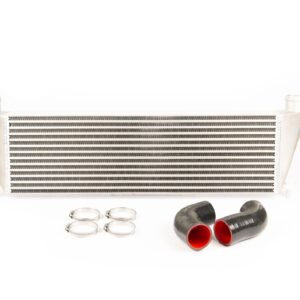
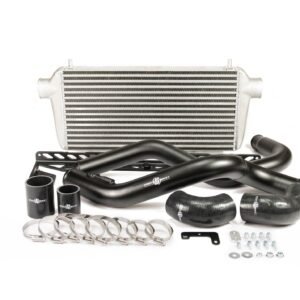
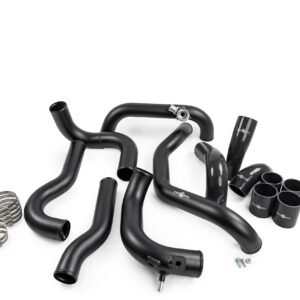
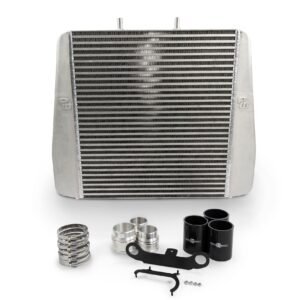
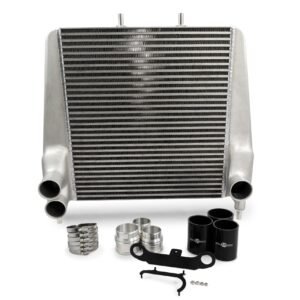
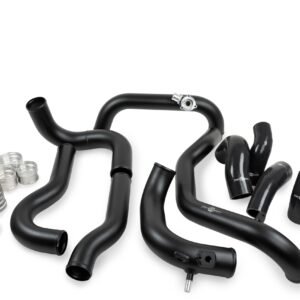
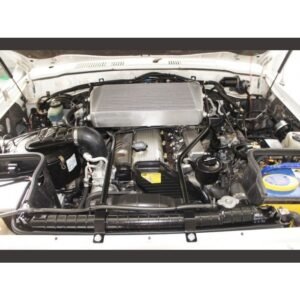
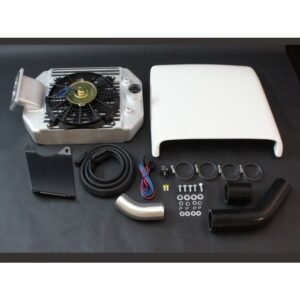
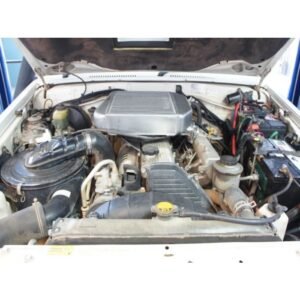
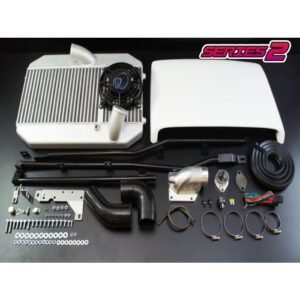
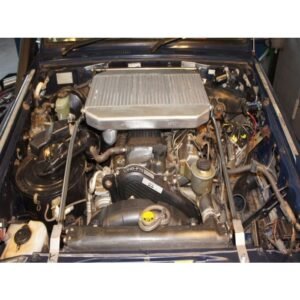
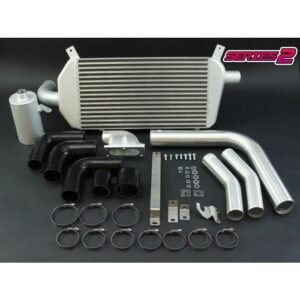
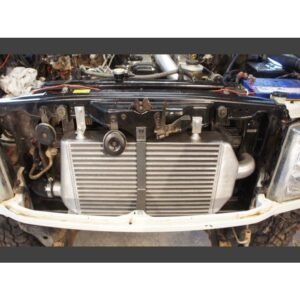
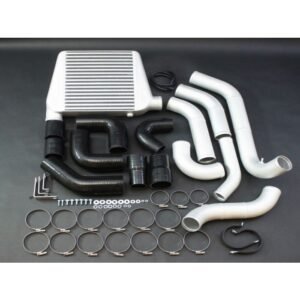
Process West Terra-Tuff front-mount intercooler kit for Isuzu D-MAX 2013–2016, including DPF models. Cooler IATs, OEM-style fitment, and towing-friendly performance.
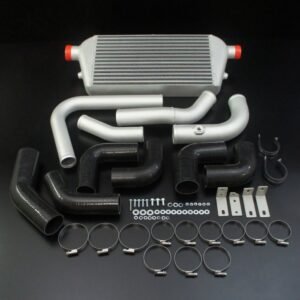
Upgrade your Toyota Prado 120 Series D4D 3.0L (2006–2009) with HPD’s high-performance intercooler kit, designed to reduce intake temperatures, improve…
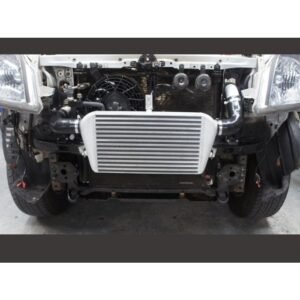
Upgrade your Toyota LandCruiser 70 Series 1HZ with HPD’s high-performance front-mount intercooler kit, designed to deliver cooler intake temps, improved…
HPD’s Toyota Landcruiser 70 Series 1HDFTE Series 2 Intercooler Kit delivers improved cooling, higher efficiency, and reliable performance under demanding…
Enhance cooling efficiency and boost performance with HPD’s Toyota Landcruiser 70 Series 1HD-FTE Intercooler. Designed for reliability in tough conditions,…
Transform your Toyota Landcruiser 70 Series 1HD-FTE with HPD’s premium intercooler kit. Experience cooler air, improved efficiency, and unmatched reliability.
Upgrade your Toyota Landcruiser 300 Series with HPD’s high-performance heat exchanger, engineered for superior cooling efficiency and long-lasting reliability.
HPD’s Toyota Landcruiser 105 Series 1HZ to 1HD-FTE intercooler conversion delivers exceptional cooling efficiency and reliability, engineered for serious performance…
HPD’s Toyota Landcruiser 105 Series Intercooler 1HZ Series 2 kit improves cooling efficiency, enhances towing performance, and ensures reliability for…
Contains information related to marketing campaigns of the user. These are shared with Google AdWords / Google Ads when the Google Ads and Google Analytics accounts are linked together.
90 days
__utma
ID used to identify users and sessions
2 years after last activity
__utmt
Used to monitor number of Google Analytics server requests
10 minutes
__utmb
Used to distinguish new sessions and visits. This cookie is set when the GA.js javascript library is loaded and there is no existing __utmb cookie. The cookie is updated every time data is sent to the Google Analytics server.
30 minutes after last activity
__utmc
Used only with old Urchin versions of Google Analytics and not with GA.js. Was used to distinguish between new sessions and visits at the end of a session.
End of session (browser)
__utmz
Contains information about the traffic source or campaign that directed user to the website. The cookie is set when the GA.js javascript is loaded and updated when data is sent to the Google Anaytics server
6 months after last activity
__utmv
Contains custom information set by the web developer via the _setCustomVar method in Google Analytics. This cookie is updated every time new data is sent to the Google Analytics server.
2 years after last activity
__utmx
Used to determine whether a user is included in an A / B or Multivariate test.
18 months
_ga
ID used to identify users
2 years
_gali
Used by Google Analytics to determine which links on a page are being clicked
30 seconds
_ga_
ID used to identify users
2 years
_gid
ID used to identify users for 24 hours after last activity
24 hours
_gat
Used to monitor number of Google Analytics server requests when using Google Tag Manager
1 minute
SourceBuster is used by WooCommerce for order attribution based on user source.
Name
Description
Duration
sbjs_first_add
Timestamp, referring URL, and entry page for your visitor’s first visit to your store (only applicable if the visitor returns before the session expires)
session
sbjs_current_add
Timestamp, referring URL, and entry page for your visitor’s current visit to your store
session
sbjs_migrations
Technical data to help with migrations between different versions of the tracking feature
session
sbjs_session
The number of page views in this session and the current page path
30 minutes
sbjs_udata
Information about the visitor’s user agent, such as IP, the browser, and the device type
session
sbjs_first
Traffic origin information for the visitor’s first visit to your store (only applicable if the visitor returns before the session expires)
session
sbjs_current
Traffic origin information for the visitor’s current visit to your store
session
Marketing cookies are used to follow visitors to websites. The intention is to show ads that are relevant and engaging to the individual user.
Facebook Pixel is a web analytics service that tracks and reports website traffic.
Upgrading your intercooler can significantly enhance your vehicle's performance by improving airflow and reducing intake temperatures. This leads to better engine efficiency, increased horsepower, and improved throttle response, making your driving experience more enjoyable and powerful.
For example, a high-performance intercooler can lower intake temperatures by up to 48%, which is crucial for maintaining optimal engine performance, especially in high-stress situations like towing or off-roading. By choosing the right intercooler, you can ensure your engine runs cooler and more efficiently, ultimately extending its lifespan.
Choosing the Right Intercooler for Your Vehicle
Selecting the right intercooler involves considering various factors such as your vehicle model, intended use, and performance goals. Different intercooler kits are designed to fit specific vehicle models and engine configurations, ensuring compatibility and optimal performance.
For instance, if you own a Ford Ranger, the Process West Front Mount Intercooler Kit is engineered specifically for that model, providing superior cooling performance. It's essential to assess your driving style and requirements to make an informed decision, ensuring that the intercooler you choose aligns with your performance aspirations.
Installation Tips for Intercooler Kits
Installing an intercooler kit can be a straightforward process if you have the right tools and knowledge. It's important to follow the manufacturer's instructions carefully and ensure all connections are secure to prevent any leaks that could affect performance.
For DIY enthusiasts, many kits come with detailed installation guides and videos to assist you. Additionally, if you're not confident in your installation skills, seeking professional help can ensure that your intercooler is installed correctly, maximizing its benefits and performance.
Maintenance of Intercooler Systems
Regular maintenance of your intercooler system is crucial for sustaining its performance over time. This includes checking for any leaks, ensuring the core is clean, and inspecting hoses and clamps for wear and tear.
For example, dirt and debris can accumulate on the intercooler core, reducing its efficiency. Cleaning the intercooler periodically and replacing any damaged components can help maintain optimal performance and prolong the life of your intercooler system.
Benefits of Upgrading Your Intercooler
Upgrading your intercooler can significantly enhance your vehicle's performance by improving airflow and reducing intake temperatures. This leads to better engine efficiency, increased horsepower, and improved throttle response, making your driving experience more enjoyable and powerful.
For example, a high-performance intercooler can lower intake temperatures by up to 48%, which is crucial for maintaining optimal engine performance, especially in high-stress situations like towing or off-roading. By choosing the right intercooler, you can ensure your engine runs cooler and more efficiently, ultimately extending its lifespan.
Choosing the Right Intercooler for Your Vehicle
Selecting the right intercooler involves considering various factors such as your vehicle model, intended use, and performance goals. Different intercooler kits are designed to fit specific vehicle models and engine configurations, ensuring compatibility and optimal performance.
For instance, if you own a Ford Ranger, the Process West Front Mount Intercooler Kit is engineered specifically for that model, providing superior cooling performance. It's essential to assess your driving style and requirements to make an informed decision, ensuring that the intercooler you choose aligns with your performance aspirations.
Installation Tips for Intercooler Kits
Installing an intercooler kit can be a straightforward process if you have the right tools and knowledge. It's important to follow the manufacturer's instructions carefully and ensure all connections are secure to prevent any leaks that could affect performance.
For DIY enthusiasts, many kits come with detailed installation guides and videos to assist you. Additionally, if you're not confident in your installation skills, seeking professional help can ensure that your intercooler is installed correctly, maximizing its benefits and performance.
Maintenance of Intercooler Systems
Regular maintenance of your intercooler system is crucial for sustaining its performance over time. This includes checking for any leaks, ensuring the core is clean, and inspecting hoses and clamps for wear and tear.
For example, dirt and debris can accumulate on the intercooler core, reducing its efficiency. Cleaning the intercooler periodically and replacing any damaged components can help maintain optimal performance and prolong the life of your intercooler system.