$1,505.00–$1,615.00Price range: $1,505.00 through $1,615.00
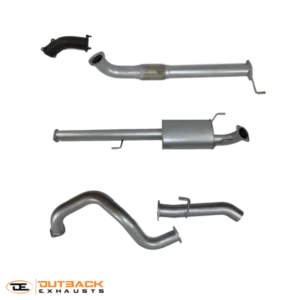
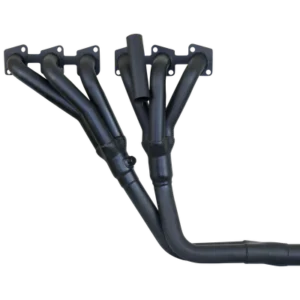
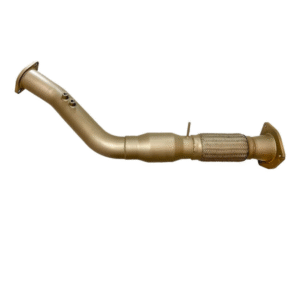
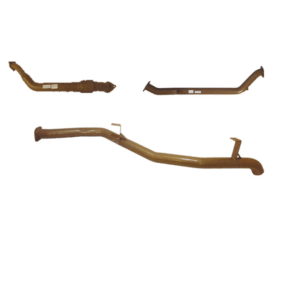
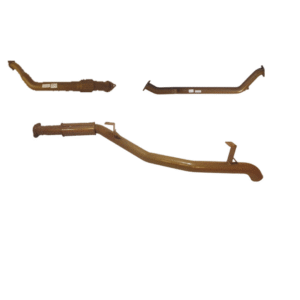
Upgrade your 79 Series with this Australian-made 3-inch turbo-back exhaust system, engineered for improved flow, response and durability. Suitable for…
Select options
This product has multiple variants. The options may be chosen on the product page
$2,889.00–$3,894.00Price range: $2,889.00 through $3,894.00
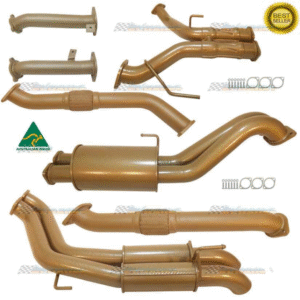
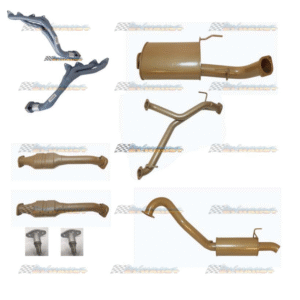
King Brown twin 3" turbo-back exhaust for Toyota LandCruiser 200 Series VDJ200 (pre-DPF). LRT-compatible, 409 stainless, Australian-made with multiple cat…
Select options
This product has multiple variants. The options may be chosen on the product page
Australian-made dual 2.5" 409 stainless LandCruiser 200 Series King Brown Exhaust. Snakeskin coating, bolt-on fit and 5-year warranty—perfect for towing…
Contains information related to marketing campaigns of the user. These are shared with Google AdWords / Google Ads when the Google Ads and Google Analytics accounts are linked together.
90 days
__utma
ID used to identify users and sessions
2 years after last activity
__utmt
Used to monitor number of Google Analytics server requests
10 minutes
__utmb
Used to distinguish new sessions and visits. This cookie is set when the GA.js javascript library is loaded and there is no existing __utmb cookie. The cookie is updated every time data is sent to the Google Analytics server.
30 minutes after last activity
__utmc
Used only with old Urchin versions of Google Analytics and not with GA.js. Was used to distinguish between new sessions and visits at the end of a session.
End of session (browser)
__utmz
Contains information about the traffic source or campaign that directed user to the website. The cookie is set when the GA.js javascript is loaded and updated when data is sent to the Google Anaytics server
6 months after last activity
__utmv
Contains custom information set by the web developer via the _setCustomVar method in Google Analytics. This cookie is updated every time new data is sent to the Google Analytics server.
2 years after last activity
__utmx
Used to determine whether a user is included in an A / B or Multivariate test.
18 months
_ga
ID used to identify users
2 years
_gali
Used by Google Analytics to determine which links on a page are being clicked
30 seconds
_ga_
ID used to identify users
2 years
_gid
ID used to identify users for 24 hours after last activity
24 hours
_gat
Used to monitor number of Google Analytics server requests when using Google Tag Manager
1 minute
SourceBuster is used by WooCommerce for order attribution based on user source.
Name
Description
Duration
sbjs_first_add
Timestamp, referring URL, and entry page for your visitor’s first visit to your store (only applicable if the visitor returns before the session expires)
session
sbjs_current_add
Timestamp, referring URL, and entry page for your visitor’s current visit to your store
session
sbjs_migrations
Technical data to help with migrations between different versions of the tracking feature
session
sbjs_session
The number of page views in this session and the current page path
30 minutes
sbjs_udata
Information about the visitor’s user agent, such as IP, the browser, and the device type
session
sbjs_first
Traffic origin information for the visitor’s first visit to your store (only applicable if the visitor returns before the session expires)
session
sbjs_current
Traffic origin information for the visitor’s current visit to your store
session
Marketing cookies are used to follow visitors to websites. The intention is to show ads that are relevant and engaging to the individual user.
Facebook Pixel is a web analytics service that tracks and reports website traffic.
Upgrading your diesel exhaust system can significantly enhance your vehicle's performance and efficiency. Improved exhaust flow can lead to better engine response, increased horsepower, and enhanced fuel efficiency, making your driving experience more enjoyable and cost-effective.
For instance, a quality aftermarket exhaust system can reduce back pressure, allowing the engine to breathe better. This can result in a noticeable increase in torque and acceleration, especially when towing heavy loads or navigating challenging terrains. Additionally, many aftermarket systems are designed to provide a deeper, more aggressive sound that diesel enthusiasts appreciate.
Choosing the Right Exhaust System for Your Vehicle
Selecting the appropriate exhaust system for your diesel vehicle is crucial for achieving the desired performance and sound. Factors to consider include the make and model of your vehicle, your driving style, and whether you require a system designed for off-road use or street performance.
For example, if you own a Toyota Landcruiser, you might opt for a turbo-back exhaust system to maximize performance while ensuring compliance with local emissions regulations. It's also essential to consider features like material durability, installation type (bolt-on vs. weld-on), and warranty options to ensure you make an informed decision.
Understanding Exhaust System Components
An exhaust system consists of multiple components that work together to direct exhaust gases away from the engine. Key parts include the manifold, catalytic converter, muffler, and tailpipe. Each component plays a vital role in performance, noise reduction, and emissions control.
For instance, the catalytic converter is essential for reducing harmful emissions, while the muffler controls the sound of the exhaust. Knowing how these components interact can help you better understand the benefits of upgrading your system and what specific parts may need to be replaced or enhanced for optimal performance.
Customizing Your Diesel Exhaust System
Customization options for diesel exhaust systems allow vehicle owners to tailor their setups to meet specific performance and aesthetic preferences. Options include varying pipe diameters, different muffler designs, and the choice between stainless steel or aluminized steel materials.
For example, a larger diameter pipe can improve exhaust flow and performance, while a specific muffler design can help achieve the desired sound level. Customization also extends to the finish, with options for polished or matte finishes that enhance the overall look of your vehicle. This level of personalization ensures that your exhaust system not only performs well but also complements your vehicle's style.
Benefits of Upgrading Your Diesel Exhaust System
Upgrading your diesel exhaust system can significantly enhance your vehicle's performance and efficiency. Improved exhaust flow can lead to better engine response, increased horsepower, and enhanced fuel efficiency, making your driving experience more enjoyable and cost-effective.
For instance, a quality aftermarket exhaust system can reduce back pressure, allowing the engine to breathe better. This can result in a noticeable increase in torque and acceleration, especially when towing heavy loads or navigating challenging terrains. Additionally, many aftermarket systems are designed to provide a deeper, more aggressive sound that diesel enthusiasts appreciate.
Choosing the Right Exhaust System for Your Vehicle
Selecting the appropriate exhaust system for your diesel vehicle is crucial for achieving the desired performance and sound. Factors to consider include the make and model of your vehicle, your driving style, and whether you require a system designed for off-road use or street performance.
For example, if you own a Toyota Landcruiser, you might opt for a turbo-back exhaust system to maximize performance while ensuring compliance with local emissions regulations. It's also essential to consider features like material durability, installation type (bolt-on vs. weld-on), and warranty options to ensure you make an informed decision.
Understanding Exhaust System Components
An exhaust system consists of multiple components that work together to direct exhaust gases away from the engine. Key parts include the manifold, catalytic converter, muffler, and tailpipe. Each component plays a vital role in performance, noise reduction, and emissions control.
For instance, the catalytic converter is essential for reducing harmful emissions, while the muffler controls the sound of the exhaust. Knowing how these components interact can help you better understand the benefits of upgrading your system and what specific parts may need to be replaced or enhanced for optimal performance.
Customizing Your Diesel Exhaust System
Customization options for diesel exhaust systems allow vehicle owners to tailor their setups to meet specific performance and aesthetic preferences. Options include varying pipe diameters, different muffler designs, and the choice between stainless steel or aluminized steel materials.
For example, a larger diameter pipe can improve exhaust flow and performance, while a specific muffler design can help achieve the desired sound level. Customization also extends to the finish, with options for polished or matte finishes that enhance the overall look of your vehicle. This level of personalization ensures that your exhaust system not only performs well but also complements your vehicle's style.