Why Choose Performance Exhaust Systems?
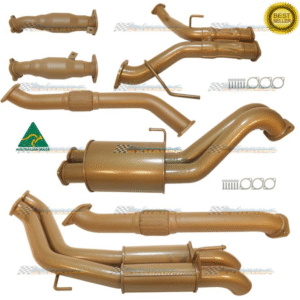
Performance exhaust systems are designed to enhance your vehicle's power and efficiency. By improving exhaust flow, these systems can significantly increase horsepower and torque, providing a more responsive driving experience. Whether you're towing heavy loads or navigating tough terrains, a performance exhaust can make a noticeable difference in your vehicle's capabilities.
For example, a well-designed exhaust system can reduce back pressure, allowing the engine to breathe more freely. This not only boosts performance but can also lead to improved fuel efficiency. Many drivers report better acceleration and a more aggressive engine sound, making performance exhaust systems a popular choice among enthusiasts and everyday drivers alike.
Understanding Exhaust System Components
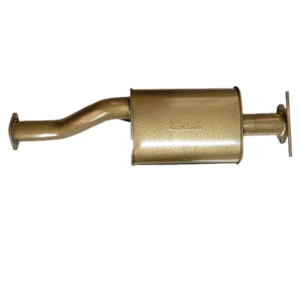
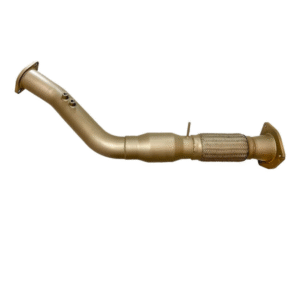
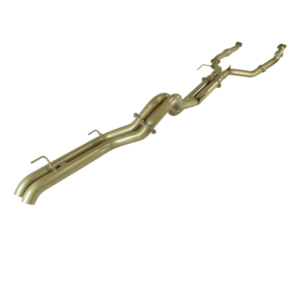
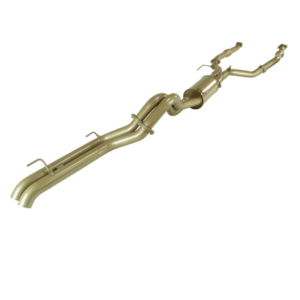
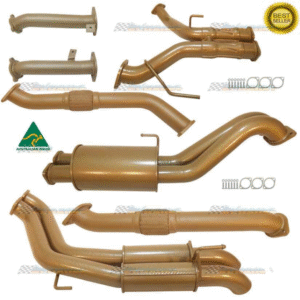
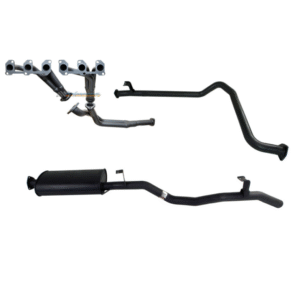
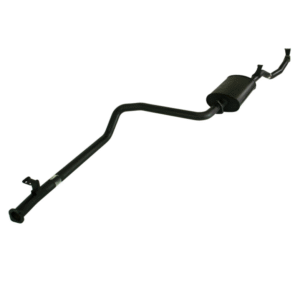
A performance exhaust system consists of several components, including headers, catalytic converters, mufflers, and tailpipes. Each part plays a crucial role in optimizing exhaust flow and overall vehicle performance. Understanding these components can help you make informed decisions when upgrading your vehicle.
For instance, headers are designed to reduce exhaust back pressure, while high-flow catalytic converters ensure optimal emission control without sacrificing performance. Mufflers, on the other hand, can enhance sound quality and performance, allowing you to customize your vehicle's auditory experience. Knowing how these components work together can help you select the right system for your needs.
Installation Tips for Performance Exhaust Systems
Installing a performance exhaust system can be a rewarding DIY project, but it's essential to follow proper procedures to ensure optimal performance and safety. Begin by gathering the necessary tools, including wrenches, sockets, and potentially a lift or jack stands for better access to your vehicle's undercarriage.
When installing, always follow the manufacturer's instructions closely. Ensure all connections are secure to prevent leaks, which could diminish performance. Additionally, consider using high-temperature sealants on joints to enhance durability. If you're unsure about any steps, consulting a professional or experienced mechanic can save time and ensure a quality installation.
Maintaining Your Performance Exhaust System
Regular maintenance is key to prolonging the life of your performance exhaust system. Inspect the system periodically for signs of rust, damage, or loose connections, especially after off-road use or exposure to harsh conditions. Addressing small issues early can prevent more significant problems down the line.
Additionally, cleaning your exhaust system can help maintain its appearance and performance. Using specialized exhaust cleaners can remove carbon buildup, ensuring optimal flow and sound. It's also advisable to check hangers and brackets regularly, replacing any that show signs of wear to keep the system securely in place.
Why Choose Performance Exhaust Systems?
Performance exhaust systems are designed to enhance your vehicle's power and efficiency. By improving exhaust flow, these systems can significantly increase horsepower and torque, providing a more responsive driving experience. Whether you're towing heavy loads or navigating tough terrains, a performance exhaust can make a noticeable difference in your vehicle's capabilities.
For example, a well-designed exhaust system can reduce back pressure, allowing the engine to breathe more freely. This not only boosts performance but can also lead to improved fuel efficiency. Many drivers report better acceleration and a more aggressive engine sound, making performance exhaust systems a popular choice among enthusiasts and everyday drivers alike.
Understanding Exhaust System Components
A performance exhaust system consists of several components, including headers, catalytic converters, mufflers, and tailpipes. Each part plays a crucial role in optimizing exhaust flow and overall vehicle performance. Understanding these components can help you make informed decisions when upgrading your vehicle.
For instance, headers are designed to reduce exhaust back pressure, while high-flow catalytic converters ensure optimal emission control without sacrificing performance. Mufflers, on the other hand, can enhance sound quality and performance, allowing you to customize your vehicle's auditory experience. Knowing how these components work together can help you select the right system for your needs.
Installation Tips for Performance Exhaust Systems
Installing a performance exhaust system can be a rewarding DIY project, but it's essential to follow proper procedures to ensure optimal performance and safety. Begin by gathering the necessary tools, including wrenches, sockets, and potentially a lift or jack stands for better access to your vehicle's undercarriage.
When installing, always follow the manufacturer's instructions closely. Ensure all connections are secure to prevent leaks, which could diminish performance. Additionally, consider using high-temperature sealants on joints to enhance durability. If you're unsure about any steps, consulting a professional or experienced mechanic can save time and ensure a quality installation.
Maintaining Your Performance Exhaust System
Regular maintenance is key to prolonging the life of your performance exhaust system. Inspect the system periodically for signs of rust, damage, or loose connections, especially after off-road use or exposure to harsh conditions. Addressing small issues early can prevent more significant problems down the line.
Additionally, cleaning your exhaust system can help maintain its appearance and performance. Using specialized exhaust cleaners can remove carbon buildup, ensuring optimal flow and sound. It's also advisable to check hangers and brackets regularly, replacing any that show signs of wear to keep the system securely in place.