Benefits of Upgrading Your Exhaust System
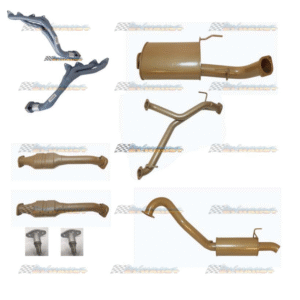
Upgrading your exhaust system can significantly enhance your vehicle's performance, providing benefits such as increased horsepower, improved fuel efficiency, and a more aggressive sound. A performance exhaust system is designed to optimize exhaust flow, which can lead to better engine performance and responsiveness.
For instance, a high-quality exhaust system can reduce back pressure, allowing your engine to breathe more freely. This is particularly beneficial for diesel vehicles, which often require efficient exhaust flow to maximize power output. Additionally, many aftermarket exhaust systems are made from durable materials, ensuring longevity and resistance to corrosion.
Choosing the Right Exhaust System for Your Vehicle
Selecting the right exhaust system involves understanding your vehicle's specific needs and performance goals. Factors to consider include the engine type, intended use (e.g., off-roading vs. daily driving), and personal preferences regarding sound and aesthetics.
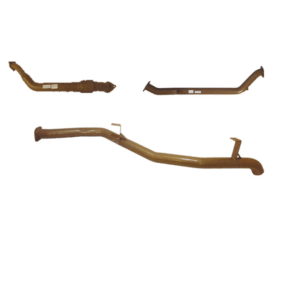
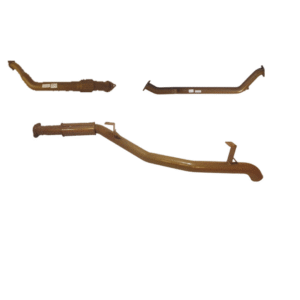
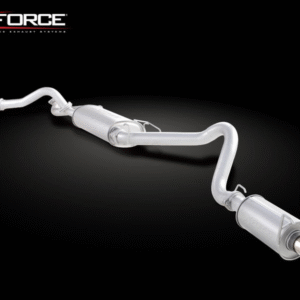
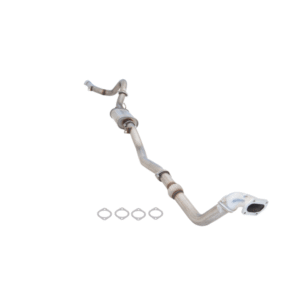
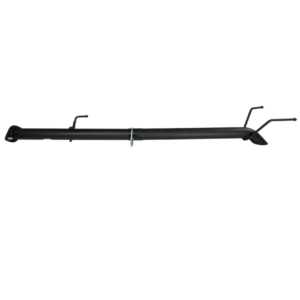
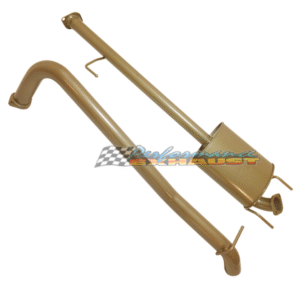
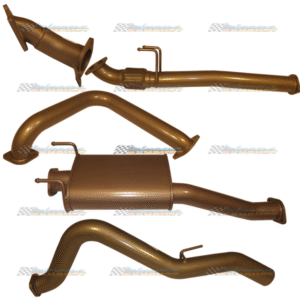
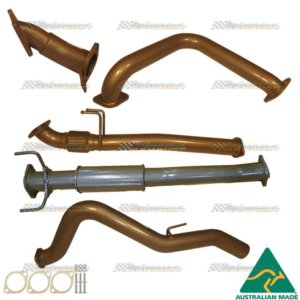
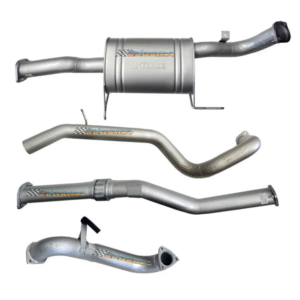
For example, a Ford Ranger Raptor may benefit from a 3" DPF back exhaust system designed to enhance performance without sacrificing sound quality. It's crucial to match the exhaust system specifications with your vehicle's model and engine configuration to ensure optimal compatibility and performance gains.
Installation Guide for Performance Exhaust Systems
Installing a performance exhaust system can be a rewarding DIY project, but it's essential to follow a structured approach to ensure proper fitment and functionality. Start by gathering the necessary tools and equipment, including jack stands, wrenches, and safety gear, to facilitate a smooth installation process.
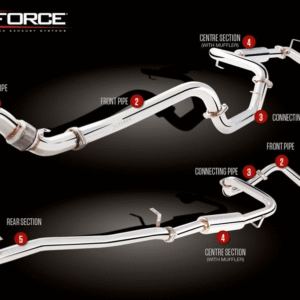
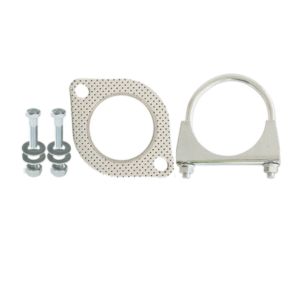
Typically, the installation involves removing the existing exhaust system, which may require cutting or unbolting components. Once removed, the new exhaust system should be positioned and secured according to the manufacturer's instructions. Proper alignment and tightening of all connections are crucial to prevent leaks and ensure optimal performance.
Maintenance Tips for Your Exhaust System
Regular maintenance of your exhaust system is vital for longevity and performance. Inspecting for rust, leaks, and damage can help identify issues before they escalate into costly repairs. It's advisable to check the exhaust system during routine vehicle maintenance or whenever you notice changes in sound or performance.
Additionally, cleaning the exhaust tips and ensuring proper mounting can enhance the overall appearance and efficiency of the system. Consider using high-temperature paint to protect exposed components from corrosion, especially in harsh environments. Regular checks can help maintain optimal performance and extend the life of your exhaust system.
Benefits of Upgrading Your Exhaust System
Upgrading your exhaust system can significantly enhance your vehicle's performance, providing benefits such as increased horsepower, improved fuel efficiency, and a more aggressive sound. A performance exhaust system is designed to optimize exhaust flow, which can lead to better engine performance and responsiveness.
For instance, a high-quality exhaust system can reduce back pressure, allowing your engine to breathe more freely. This is particularly beneficial for diesel vehicles, which often require efficient exhaust flow to maximize power output. Additionally, many aftermarket exhaust systems are made from durable materials, ensuring longevity and resistance to corrosion.
Choosing the Right Exhaust System for Your Vehicle
Selecting the right exhaust system involves understanding your vehicle's specific needs and performance goals. Factors to consider include the engine type, intended use (e.g., off-roading vs. daily driving), and personal preferences regarding sound and aesthetics.
For example, a Ford Ranger Raptor may benefit from a 3" DPF back exhaust system designed to enhance performance without sacrificing sound quality. It's crucial to match the exhaust system specifications with your vehicle's model and engine configuration to ensure optimal compatibility and performance gains.
Installation Guide for Performance Exhaust Systems
Installing a performance exhaust system can be a rewarding DIY project, but it's essential to follow a structured approach to ensure proper fitment and functionality. Start by gathering the necessary tools and equipment, including jack stands, wrenches, and safety gear, to facilitate a smooth installation process.
Typically, the installation involves removing the existing exhaust system, which may require cutting or unbolting components. Once removed, the new exhaust system should be positioned and secured according to the manufacturer's instructions. Proper alignment and tightening of all connections are crucial to prevent leaks and ensure optimal performance.
Maintenance Tips for Your Exhaust System
Regular maintenance of your exhaust system is vital for longevity and performance. Inspecting for rust, leaks, and damage can help identify issues before they escalate into costly repairs. It's advisable to check the exhaust system during routine vehicle maintenance or whenever you notice changes in sound or performance.
Additionally, cleaning the exhaust tips and ensuring proper mounting can enhance the overall appearance and efficiency of the system. Consider using high-temperature paint to protect exposed components from corrosion, especially in harsh environments. Regular checks can help maintain optimal performance and extend the life of your exhaust system.