Contains information related to marketing campaigns of the user. These are shared with Google AdWords / Google Ads when the Google Ads and Google Analytics accounts are linked together.
90 days
__utma
ID used to identify users and sessions
2 years after last activity
__utmt
Used to monitor number of Google Analytics server requests
10 minutes
__utmb
Used to distinguish new sessions and visits. This cookie is set when the GA.js javascript library is loaded and there is no existing __utmb cookie. The cookie is updated every time data is sent to the Google Analytics server.
30 minutes after last activity
__utmc
Used only with old Urchin versions of Google Analytics and not with GA.js. Was used to distinguish between new sessions and visits at the end of a session.
End of session (browser)
__utmz
Contains information about the traffic source or campaign that directed user to the website. The cookie is set when the GA.js javascript is loaded and updated when data is sent to the Google Anaytics server
6 months after last activity
__utmv
Contains custom information set by the web developer via the _setCustomVar method in Google Analytics. This cookie is updated every time new data is sent to the Google Analytics server.
2 years after last activity
__utmx
Used to determine whether a user is included in an A / B or Multivariate test.
18 months
_ga
ID used to identify users
2 years
_gali
Used by Google Analytics to determine which links on a page are being clicked
30 seconds
_ga_
ID used to identify users
2 years
_gid
ID used to identify users for 24 hours after last activity
24 hours
_gat
Used to monitor number of Google Analytics server requests when using Google Tag Manager
1 minute
SourceBuster is used by WooCommerce for order attribution based on user source.
Name
Description
Duration
sbjs_first_add
Timestamp, referring URL, and entry page for your visitor’s first visit to your store (only applicable if the visitor returns before the session expires)
session
sbjs_current_add
Timestamp, referring URL, and entry page for your visitor’s current visit to your store
session
sbjs_migrations
Technical data to help with migrations between different versions of the tracking feature
session
sbjs_session
The number of page views in this session and the current page path
30 minutes
sbjs_udata
Information about the visitor’s user agent, such as IP, the browser, and the device type
session
sbjs_first
Traffic origin information for the visitor’s first visit to your store (only applicable if the visitor returns before the session expires)
session
sbjs_current
Traffic origin information for the visitor’s current visit to your store
session
Marketing cookies are used to follow visitors to websites. The intention is to show ads that are relevant and engaging to the individual user.
Facebook Pixel is a web analytics service that tracks and reports website traffic.
Benefits of Upgrading to 409 Stainless Steel Exhaust Systems
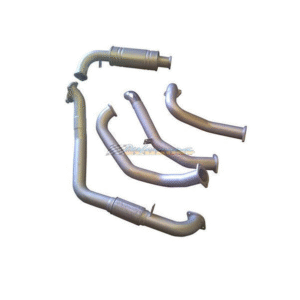
Upgrading to a 409 stainless steel exhaust system can significantly enhance the performance and durability of your diesel vehicle. This material is known for its resistance to corrosion and high heat, making it an ideal choice for those who demand longevity and reliability from their exhaust systems.
In addition to increased durability, 409 stainless steel exhausts often provide improved exhaust flow, which can lead to better engine performance and efficiency. For example, vehicles equipped with high-flow exhaust systems may experience enhanced horsepower and torque, making them more capable for towing and off-road applications.
Choosing the Right Exhaust System for Your Vehicle
Selecting the appropriate exhaust system for your diesel vehicle involves considering several factors, including engine size, intended use, and desired sound profile. Each vehicle model has specific requirements, and understanding these can help ensure optimal performance and compliance with local regulations.
For instance, a turbo-back exhaust system may be ideal for those looking to maximize performance, while a DPF-back system might be more suitable for users concerned about emissions. It's essential to consult product specifications and compatibility information to make an informed choice that suits your needs.
Installation Process for Diesel Exhaust Systems
Installing a new exhaust system can seem daunting, but many systems are designed for straightforward, bolt-on installation. This means that with basic tools and mechanical knowledge, many users can perform the installation themselves, saving on labor costs.
However, for those who prefer professional assistance, many local automotive shops specialize in diesel performance upgrades. They can ensure proper installation and tuning, which is crucial for achieving the best performance from your new exhaust system.
Maintenance Tips for 409 Stainless Steel Exhaust Systems
Maintaining a 409 stainless steel exhaust system is relatively straightforward, but regular inspections can help prolong its lifespan. Users should check for any signs of rust or damage, particularly in areas where moisture may accumulate.
Additionally, periodic cleaning can help maintain the exhaust's appearance and performance. Using a mild detergent and a soft brush can remove dirt and grime without damaging the stainless steel finish, ensuring that your exhaust system continues to perform at its best.
Benefits of Upgrading to 409 Stainless Steel Exhaust Systems
Upgrading to a 409 stainless steel exhaust system can significantly enhance the performance and durability of your diesel vehicle. This material is known for its resistance to corrosion and high heat, making it an ideal choice for those who demand longevity and reliability from their exhaust systems.
In addition to increased durability, 409 stainless steel exhausts often provide improved exhaust flow, which can lead to better engine performance and efficiency. For example, vehicles equipped with high-flow exhaust systems may experience enhanced horsepower and torque, making them more capable for towing and off-road applications.
Choosing the Right Exhaust System for Your Vehicle
Selecting the appropriate exhaust system for your diesel vehicle involves considering several factors, including engine size, intended use, and desired sound profile. Each vehicle model has specific requirements, and understanding these can help ensure optimal performance and compliance with local regulations.
For instance, a turbo-back exhaust system may be ideal for those looking to maximize performance, while a DPF-back system might be more suitable for users concerned about emissions. It's essential to consult product specifications and compatibility information to make an informed choice that suits your needs.
Installation Process for Diesel Exhaust Systems
Installing a new exhaust system can seem daunting, but many systems are designed for straightforward, bolt-on installation. This means that with basic tools and mechanical knowledge, many users can perform the installation themselves, saving on labor costs.
However, for those who prefer professional assistance, many local automotive shops specialize in diesel performance upgrades. They can ensure proper installation and tuning, which is crucial for achieving the best performance from your new exhaust system.
Maintenance Tips for 409 Stainless Steel Exhaust Systems
Maintaining a 409 stainless steel exhaust system is relatively straightforward, but regular inspections can help prolong its lifespan. Users should check for any signs of rust or damage, particularly in areas where moisture may accumulate.
Additionally, periodic cleaning can help maintain the exhaust's appearance and performance. Using a mild detergent and a soft brush can remove dirt and grime without damaging the stainless steel finish, ensuring that your exhaust system continues to perform at its best.