Benefits of Deep Transmission Pans
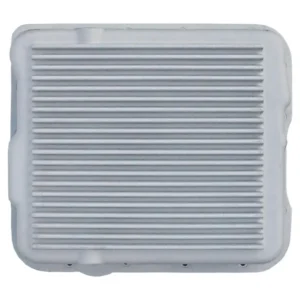
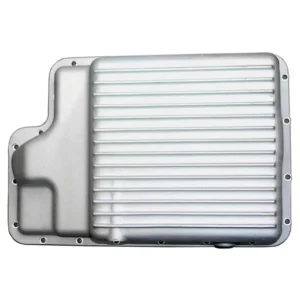
Upgrading to a deep transmission pan offers significant advantages for vehicle performance and longevity. These specialized pans increase the fluid capacity of your transmission, which directly leads to improved cooling efficiency. Enhanced cooling helps to prevent the transmission fluid from overheating, a common cause of premature wear and potential failure in demanding driving conditions.
Beyond improved cooling, deep transmission pans often feature enhanced designs such as increased surface area and cooling fins, further aiding heat dissipation. This robust construction also provides greater protection against physical damage. The increased fluid volume can also contribute to smoother gear changes and a more durable transmission system overall, making it a worthwhile investment for performance enthusiasts and daily drivers alike.
Deep Transmission Pan Installation Guide
Installing a deep transmission pan is a moderately complex automotive task that requires careful attention to detail. The process typically involves safely lifting and supporting the vehicle, draining the existing transmission fluid, and then unbolting the old pan. It's crucial to clean the transmission mating surface thoroughly to ensure a proper seal with the new pan and gasket, preventing leaks.
Once the new deep transmission pan is securely bolted in place with a new gasket, the transmission filter should be inspected and potentially replaced. Finally, the transmission is refilled with the correct type and amount of fluid, and the vehicle is lowered. A test drive and subsequent fluid level check are essential to confirm proper installation and operation.
Choosing the Right Deep Transmission Pan for Your Vehicle
Selecting the correct deep transmission pan is vital for ensuring compatibility and optimal performance. Key considerations include the specific make, model, and year of your vehicle, as different transmissions require pans with unique bolt patterns and dimensions. Researching the exact transmission model within your vehicle is paramount to avoid purchasing an incompatible part.
Material and capacity are also important factors. Deep pans are commonly made from cast aluminum or steel, with aluminum offering superior heat dissipation. The increased fluid capacity, often measured in quarts or liters, should be sufficient to provide the desired cooling benefits without overfilling the transmission. Always consult product specifications and vehicle compatibility charts provided by the manufacturer.
Deep Transmission Pan Maintenance and Fluid Changes
Regular maintenance of your deep transmission pan and its associated fluid is crucial for maximizing its benefits and ensuring the health of your transmission. While deep pans improve cooling, they do not eliminate the need for periodic transmission fluid changes. The increased fluid volume means that fluid degradation may occur over a longer period, but it's still essential to adhere to recommended service intervals.
When performing a fluid change, it's advisable to inspect the inside of the deep transmission pan for any metal shavings or debris, which could indicate internal transmission wear. Cleaning the pan and replacing the gasket during these services is also a good practice. Always refill with the manufacturer-specified transmission fluid type and quantity to maintain optimal performance and prevent damage.
 Mitsubishi Pajero Intercooler 2006+ NS/NT/NW/NX V80 (4th Generation)